
Understanding and Calculating Force on Shaft Splines: A Comprehensive Guide
In the world of mechanical engineering, calculating the force on shaft splines is a critical aspect that determines the performance and durability of a transmission system. Here, we will dive deep into the circumstances under which this issue arises, the potential solutions, and the steps to resolve it. We will also discuss preventative measures to avoid similar occurrences in the future.
When Does the Issue of Calculating Force on Shaft Splines Arise?
The issue of calculating force on shaft splines typically arises when designing, analyzing or optimizing mechanical transmission systems. This includes systems like vehicle transmissions, propeller shafts for boats, and industrial machinery. The force calculation is crucial as it directly impacts the lifespan of the splines and the overall efficiency of the system.

Various Solutions for Calculating Force on Shaft Splines
Theoretical Approach
The force on shaft splines can be calculated through theoretical equations considering factors like torque, radius of the shaft, and the number of splines. The force can be determined by dividing the torque by the radius of the shaft.
Practical Approach
Another solution is to use experimental methods and software simulations. These methods can provide a more accurate calculation by taking into account real-world factors such as material properties, wear and tear, and environmental conditions.
Steps to Calculate Force on Shaft Splines and Key Considerations
Calculating force on shaft splines involves several steps. These include understanding the mechanical system, identifying the parameters like torque and radius, applying the appropriate formula or software tool, and interpreting the results. Key considerations include the type of material, the number of splines, and the operating conditions.
Confirming the Resolution of the Issue and Preventative Measures
To confirm the resolution of the issue, the calculated force on the shaft splines should align with the design specifications and operational requirements. Regular maintenance and inspections can prevent similar issues in the future. Using high-quality parts and adhering to manufacturing standards can also enhance the durability and efficiency of the system.

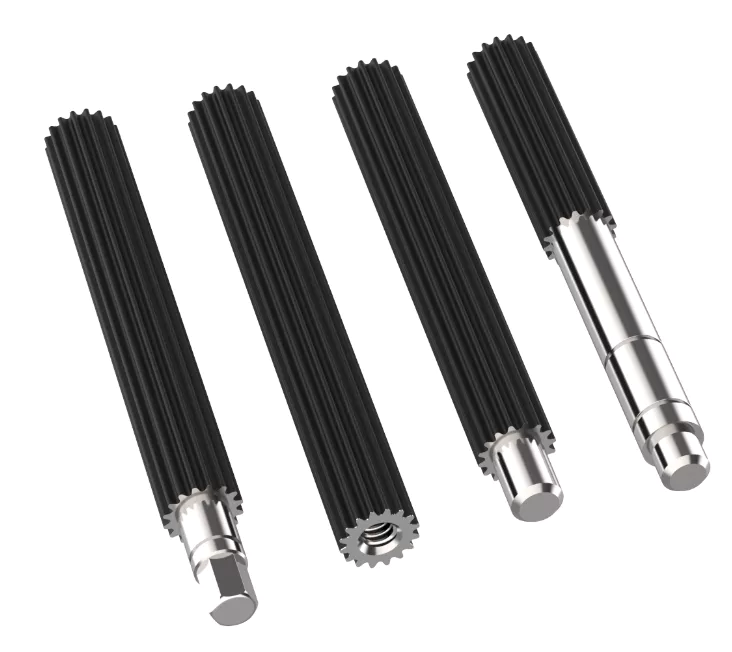
When it comes to mechanical transmission systems, the spline shaft is an important component that connects and transmits rotational force and motion. In addition, another key element closely related to the spline shaft is the worm gear shaft. The worm shaft plays an important role in the worm gear transmission system, achieving efficient torque transmission by rotating the worm gear.
Unresolved Issues and Assistance
If the issue of calculating force on shaft splines remains unresolved, you can contact our technical department at EVER-POWER. We will provide assistance promptly, typically within 24 hours.
Choose EVER-POWER for High-Quality Mechanical Parts
At EVER-POWER, we offer high-quality mechanical parts including shaft splines. With competitive pricing and exceptional customer service, we are the go-to choice for all your mechanical transmission system needs. Choose EVER-POWER for efficiency, durability, and peace of mind.
Remember, the key to efficient mechanical transmission systems lies in understanding how to calculate force on shaft splines. By following the steps outlined in this guide, you can ensure the longevity and optimal performance of your system.