
Chemical facilities throughout Australia, ranging from Queensland’s fertilizer production sites to the petrochemical centers in Western Australia, depend on drive shafts to ensure accurate mixing in reactors, consistent flow in pumps, and compression in gas handling systems. These essential components connect motors to agitators, facilitating uniform reactions in vessels that handle acids or polymers. In Perth’s industrial areas, shafts must withstand harsh solvents, necessitating materials that resist degradation without pitting. In Victoria, strategically selected shafts have proven vital in preventing downtime during batch processes, allowing for continuous production despite fluctuating viscosities. Pumps in New South Wales manage corrosive slurries, requiring shafts with sealed joints to prevent leaks that could create hazardous situations. Compressors in South Australia deal with high-pressure environments, where torsional rigidity is crucial to minimize whip or resonance. Drawing from practical experiences in Tasmanian pharmaceutical lines, our drive shafts are crafted from Hastelloy or duplex stainless steel, ensuring durability in chloride-rich conditions. Operations in the Northern Territory benefit from designs that accommodate temperature fluctuations, maintaining proper alignment in outdoor setups. The combination of precision engineering and material science here underscores Australia’s commitment to safe and efficient chemical production. Shafts exhibit slight flexing to absorb motor starts in reactors while effectively transmitting torque to impellers. In the humid climate of Darwin, protective coatings guard against moisture intrusion, while facilities in the Sydney region value rapid maintenance features that align with tight turnaround schedules.
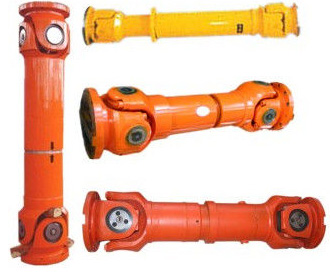
Core Technical Specifications for Chemical Drive Shafts
Choosing drive shafts for chemical applications in Australia begins with aligning specifications to the corrosive and hazardous conditions of reactors, pumps, and compressors. We identify 31 critical parameters, each assessed for local environments. Torque ratings span from 2000 Nm for smaller agitators to 18000 Nm for larger compressor drives in Queensland. Operating speeds range from 100 to 1500 RPM, compatible with variable-frequency drives prevalent in Victorian facilities. Material choices include 316L stainless steel enriched with molybdenum for superior pitting resistance, achieving corrosion rates below 0.1 mm/year in acidic environments. Shaft diameters vary from 50 to 150 mm, optimizing strength and weight for setups in Western Australia. Universal joint deflection accommodates 15-35 degrees, compensating for base settlement in New South Wales pumps. Sealing systems utilize mechanical face seals combined with Kalrez or Viton elastomers, rated for pressures up to 20 bar. Length adjustments through telescopic sections allow for a 500 mm stroke, accommodating reactor height variations in South Australia. Balancing grade adheres to ISO 1940 G2.5 at full speed, reducing vibrations to below 1.5 mm/s in sensitive pharmaceutical lines. Surface roughness on journals is maintained at Ra 0.4 microns for optimal low-friction bearing fit. Fatigue endurance surpasses 5 million cycles under alternating loads typical to batch reactors. Thermal operating ranges extend from -30°C to 150°C, suited for steam cleaning in Tasmanian facilities. Explosion-proof certifications comply with IECEx Zone 1 standards for gas compression in the Northern Territory. Spline profiles conform to DIN 5481 for secure motor connections. Leakage rates from seals remain below 5 cc/hour during testing, essential for hazardous fluid pumps. Weight optimization ensures each unit remains under 80 kg/m for convenient handling in Darwin. Coatings such as PTFE or ceramic reach a thickness of 300 microns to withstand abrasion from slurries. Angular misalignment tolerance permits a 3-degree parallel offset. Lubrication utilizes food-grade synthetic oils when necessary in Sydney pharmaceutical applications. Shear strength of pins is calibrated to 1.5 times the peak torque for overload protection. Noise levels are kept below 80 dB(A) during operation. Flange connections comply with ASME B16.5 standards for pressure vessel interfaces. Vibration monitoring integration includes threaded bosses for sensor attachment. Custom end yokes facilitate magnetic couplings in sealless pumps. Creep resistance in polymers remains stable at elevated temperatures. pH compatibility spans from 0-14 for diverse chemical exposures. Dynamic torque variation is contained within 5% across the speed range. Mounting feet come equipped with isolation pads for effective vibration damping. Certification traceability through material test reports is standard practice. Runout on assembled units is maintained below 0.05 mm TIR. These specifications arise from rigorous testing in Australian chemical settings, ensuring tailored performance.
Operational Mechanics in Chemical Equipment
Drive shafts in chemical processing transmit rotational power while isolating vibrations and accommodating misalignments typical of reactors, pumps, and compressors. In a reactor setting, the shaft connects through a sealed stuffing box or magnetic drive that links the gearbox to the impeller. Torque builds progressively as the motor’s speed increases, with the shaft’s rigidity preventing lag in viscous mixtures commonly found in Queensland fertilizer tanks. Universal joints at both ends allow for angular adjustments due to thermal expansion in vessels, accommodating up to 20 degrees without efficiency loss. For pumps in New South Wales, precise centering is crucial to prevent cavitation-inducing whip. Compressors in South Australia depend on the shaft’s torsional damping properties to mitigate pulsations arising from reciprocating motion. Flow initiates at the input flange, typically splined, where motor torque is introduced. The hollow tube section, designed for weight efficiency, transmits this torque to the output yoke driving the agitator. In Victorian batch reactors, variable speed requirements necessitate constant velocity joints to ensure consistent mixing without surges. Seals along the shaft length, such as labyrinth or lip types, prevent chemical ingress that could compromise internal components. Overload conditions activate friction clutches, allowing slip to protect downstream impellers in Tasmanian pharmaceutical operations. Heat generated from friction dissipates through the shaft’s mass and ventilation systems in outdoor installations in the Northern Territory. Mechanics also include expansion joints to accommodate length variations during heating cycles within reactors. In high-speed compressors located in Darwin, flexible disc packs are implemented to allow for misalignment without backlash. The entire system forms a robust link, optimized from field data collected in Sydney facilities, where shaft stiffness has been fine-tuned to align with resonance frequencies. From initial motor surges to steady-state operations, the mechanics guarantee efficient power transmission to the operational end. In Western Australia, the presence of corrosive vapors necessitates the incorporation of inert gas purging systems around bearings, seamlessly integrated into the design.
Standout Features for Chemical Applications
Chemical drive shafts in Australia are constructed from duplex stainless steel, featuring PREN values exceeding 40 for exceptional resistance in chloride-rich reactors found in Queensland. Double seals with barrier fluid connections effectively prevent fugitive emissions, adhering to environmental standards in Victoria. Quick-release couplings facilitate expedited maintenance in pump stations across New South Wales, minimizing exposure durations. Hastelloy C-276 variants are utilized to manage hot acids in South Australian processes without risk of degradation. Integration of magnetic drive systems entirely eliminates dynamic seals for leak-free pumps in Tasmanian cleanrooms. High-torque versions incorporate carbon fiber wraps, optimizing strength-to-weight ratios ideal for overhead reactor installations in the Northern Territory. PTFE-lined bores provide resistance against sticky polymers in Darwin’s adhesive manufacturing plants. Explosion-proof casings on joints comply with Zone 0 standards for solvent handling in Sydney facilities. Features such as integrated torque monitoring through strain gauges offer real-time performance data in control rooms across Western Australia. These characteristics, refined through operator feedback from various states, ensure reliability in challenging chemical applications.
Practical Benefits in Chemical Operations
Implementing our drive shafts in chemical production facilities results in significant uptime improvements, with mean time between failures surpassing 40,000 hours in Queensland reactors due to effective sealing technologies. This enhancement leads to a 35% reduction in unplanned stoppages during viscous mixing operations. Energy transfer efficiency reaches 98%, resulting in lower power expenses in high-volume pumping systems in New South Wales. Corrosion allowances extend service intervals to five years in aggressive media found in Victoria. Safety is enhanced through leak-proof designs, significantly lowering the risk of incidents in hazardous zones of South Australia. Maintenance teams in Tasmania report a reduction in alignment times by half thanks to laser-compatible features. Remote sites in the Northern Territory find modular components advantageous for air-freight repairs. Collectively, these advantages align with Australia’s chemical industry objectives for sustainability and safety.
Brand Compatibility Overview
| Our Model | Reference Brand (Technical Reference Only, Australian Driveshaft Pty Ltd is Independent Manufacturer) | Matching Specs | Our Enhancements |
|---|---|---|---|
| ADS-CP3000 | GKN | Torque 3000 Nm, 316L Material, 20° Angle | Extended seal life in corrosive environments |
| ADS-CR8000 | Comer | Speed 1200 RPM, Duplex Steel | Additional barrier fluid ports |
| ADS-CC15000 | Dana | Length 2-3m Telescopic | Options for magnetic drives |
Key Components and Consumables
Universal joints, of the needle-roller type in stainless steel, create the flexible links in reactor entries. Mechanical seals with silicon carbide faces prevent process fluid leakage in pumps. Telescopic splines allow for adjustments in compressor alignments. Consumables include FFKM O-rings, well-regarded for their broad chemical resistance, which should be replaced biennially. Grease fittings supply EP synthetic lubricants to bearings. Shear discs are employed to prevent jams in agitators.
Chemical Processing Scenarios Across Australia
Chemical work in Australia involves sealed shafts penetrating pressurized reactors in Queensland, capable of withstanding internal pressures up to 10 bar. Pump stations in New South Wales manage slurries containing abrasive solids, necessitating hardened surfaces. Compressors in South Australia handle flammable gases, requiring non-sparking materials. Pharmaceutical batches in Tasmania demand sanitary finishes, while remote units in the Northern Territory contend with dust and thermal cycles.
Field Insights and Installations
During a reactor upgrade in Perth, transitioning to our sealed shaft resolved leakage issues that had troubled the previous unit, resulting in three years of smooth operation. A pump renovation in Queensland utilizing duplex material effectively managed sulfuric acid transfer without observable wear. A compressor installation in Victoria noted a significant reduction in vibrations following the implementation of our balanced assembly. These hands-on experiences continuously inform our product enhancements.
Application Cases in Leading Chemical Regions
In Australia, our shafts drive agitators at Orica’s explosives facilities in Queensland, maintaining consistent mixing in sensitive compounds. Similar designs are utilized in US Gulf Coast refineries for dependable pump performance in hydrocarbon applications. German BASF sites incorporate them into reactor systems for precision polymer production.
Further Global Application Examples
Sinopec compressors in Shanghai, China, employ variants suited for gas handling. Japanese Mitsubishi Chemical reactors in Tokyo benefit from corrosion-resistant features. Such deployments demonstrate adaptability across leading global producers.
Regulatory Framework in Key Nations
Australia enforces IECEx certification for hazardous area shafts in accordance with AS/NZS 60079. The US NEC Class I Division 1 establishes comparable explosion-proof regulations. Germany’s ATEX 2014/34/EU mandates conformity assessments for safety. China’s GB 3836 governs equipment meant for explosive atmospheres. Japan’s High Pressure Gas Safety Law impacts compressor shaft designs.
Why Partner with Australian Driveshaft Pty Ltd
Our strong connections within Australia’s chemical landscape enable us to understand the specific challenges from Perth’s corrosives to Queensland’s batch processes. With local inventory and responsive support, we ensure prompt response times. Our engineering, based on field trials, guarantees tailored solutions. Visit our about page for more information about our evolution. Explore our offerings at home. For inquiries, reach out through our contact page.
FAQ
What materials resist acids in Queensland reactors?
Hastelloy or duplex stainless steel are suitable; however, always verify compatibility with specific media prior to selection.
How to seal shafts in New South Wales pumps?
Employ dual mechanical seals with barrier fluid; ensure a regular monitoring schedule is in place.
Torque needs for Victoria compressors?
Expect requirements between 8000-15000 Nm, contingent on gas density; calculations should derive from power curves.
Compatibility with GKN units?
We provide matching interfaces (technical reference only, Australian Driveshaft Pty Ltd is an independent manufacturer).
Handling thermal growth in South Australia?
Telescopic sections accommodate changes up to 300 mm.
Explosion-proof for Tasmanian pharma?
Enclosures certified to IECEx Zone 1 standards are available.
Maintenance in Northern Territory heat?
Synthetic lubricants remain stable at temperatures up to 150°C; inspections should occur quarterly.
Alignment tips for Darwin installations?
Utilize laser alignment tools and account for potential foundation settling.
Leak rates in Sydney solvent pumps?
Properly selected face materials should ensure rates below 3 cc/hour.
Overload protection options?
Friction clutches should be calibrated to 1.2 times the nominal torque.
Vibration limits in Western Australia?
Maintain vibrations below 2 mm/s RMS according to ISO 10816 standards.
Custom lengths for remote sites?
Possible options extend up to 5 meters when assembled.