
Navigating Challenges in Sugarcane Planting Systems
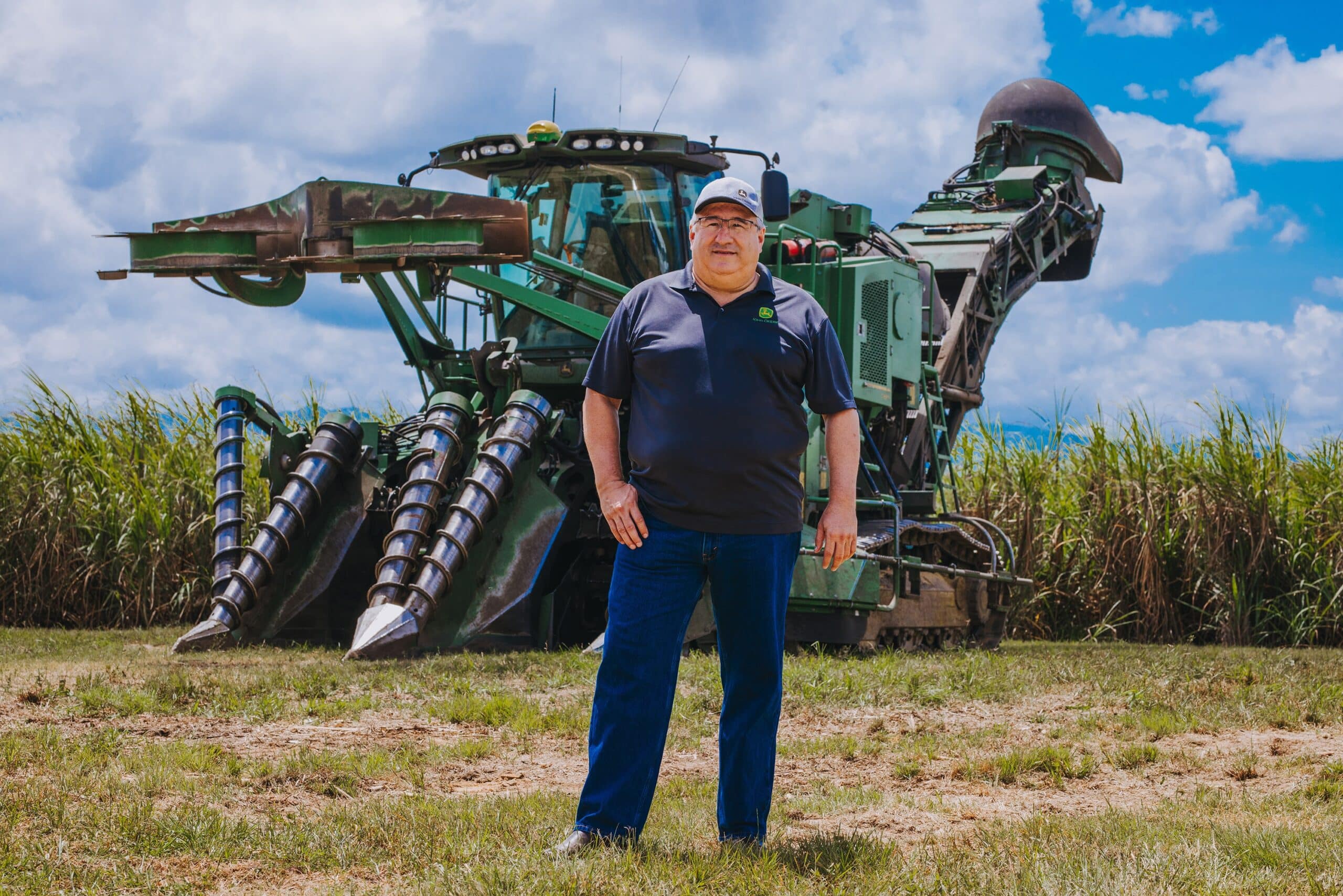
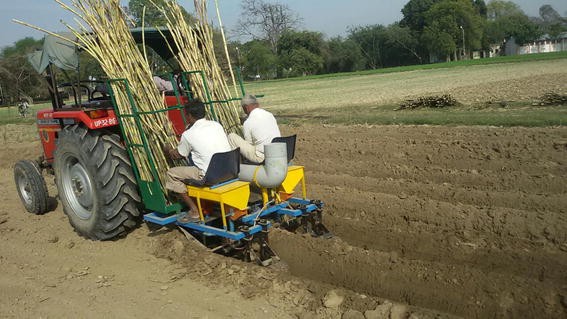
The role of sugarcane planters is vital within Australia’s sugar sector, particularly located along Queensland’s coast from Mossman in the north down through the Burdekin, Mackay, and southern regions, extending into northern New South Wales around Grafton. These machines meticulously place billet segments into furrows, frequently integrating fertilizer application and soil covering in a single pass, depending on robust drive shafts to transfer power from tractor PTOs to various components like metering rollers, fans, or conveyor systems.
In Queensland’s humid and tropical northern regions, planters contend with heavy clay soils following rainfall, where shafts must withstand shocks from concealed roots or stones without compromising functionality. Producers in the Burdekin delta, recognized as Australia’s largest cane-growing region with broad irrigation practices, value telescoping designs that adapt to the differing hitch heights of large tractors pulling multi-row units.
Growers in Mackay and Proserpine are faced with hilly landscapes that necessitate wide-angle joints to maintain power during sharp turns on contoured fields. Fields in southern Queensland and New South Wales often implement trash-blanketed no-till systems, demanding shafts with strong protective measures to manage residue accumulation.
Experiences from the Herbert region near Ingham indicate that balanced shafts decrease vibration that could otherwise disrupt even billet distribution, enhancing germination rates essential for ratoon crops. Elevated heat and moisture levels heighten wear, hence improved seals are crucial to retain grease while preventing moisture ingress during extended planting periods.
Contractors in the Bundaberg region emphasize the importance of quick-release yokes, facilitating swift transitions between planters and other attachments. Safety compliance with ASABE guarding standards is paramount to ensure worker protection in family-operated businesses prevalent in this area.
A seasoned planter operator from Rocky Point revealed that reinforced cross designs significantly prolonged service longevity in abrasive sandy loam soils, reducing downtime during peak operational periods.
Ultimately, these drive shafts effectively manage the high torque demands from tractors exceeding 150 HP, securing precise billet placement that bolsters yields in this critical export industry.
Crucial Specifications for Sugarcane Planter Drive Shafts
Selecting appropriate shafts for planters requires careful consideration of torque, angle, and environmental conditions. Below are 29 critical parameters tailored to Australian cane planting:
| Parameter | Description | Typical Range |
|---|---|---|
| 1. Series Rating | Standard size | Series 6-10 or Metric 8-12 |
| 2. Tractor End Spline | PTO connection | 1-3/8″ 21-spline or larger |
| 3. Planter Yoke | Implement side | Clamp or bolt-on |
| 4. Closed Length | Compressed | 1100-1700mm |
| 5. Extended Length | Maximum | 1500-2300mm |
| 6. Torque at 540 RPM | Continuous | 1200-2500 Nm |
| 7. Torque at 1000 RPM | High speed | 1800-3500 Nm |
| 8. HP Capacity | Power rating | 120-300 HP |
| 9. Tube Profile | Shape | Star or heavy triangular |
| 10. Wall Thickness | Gauge | 5-8mm |
| 11. Cross Size | Journal diameter | 35-42mm |
| 12. Max Angle | Operation | 40-60 degrees |
| 13. Guard Type | Protection | Reinforced plastic with supports |
| 14. Grease Interval | Maintenance | 20-40 hours |
| 15. Overload Device | Clutch | Ratchet or friction |
| 16. Clutch Setting | Torque release | 2000-4000 Nm |
| 17. Weight | Assembly | 30-60 kg |
| 18. Material Grade | Steel | 42CrMo or higher |
| 19. Surface Treatment | Corrosion | Heavy phosphating |
| 20. Balance Grade | Vibration | ISO G2.5 |
| 21. Overlap Minimum | Safety | 400mm |
| 22. CV Joint | Wide angle | 80-degree option |
| 23. Quick Release | Yoke | Push-pin heavy duty |
| 24. Chain Retention | Guard | Double chains |
| 25. Compliance | Standards | ASABE/ISO |
| 26. Temp Range | Operation | 0°C to 90°C |
| 27. Seal Efficiency | Dust/moisture | Triple lip |
| 28. Fatigue Life | Cycles | 3 million+ |
| 29. Warranty | Coverage | 36 months |
Practical Applications in Queensland Cane Belt
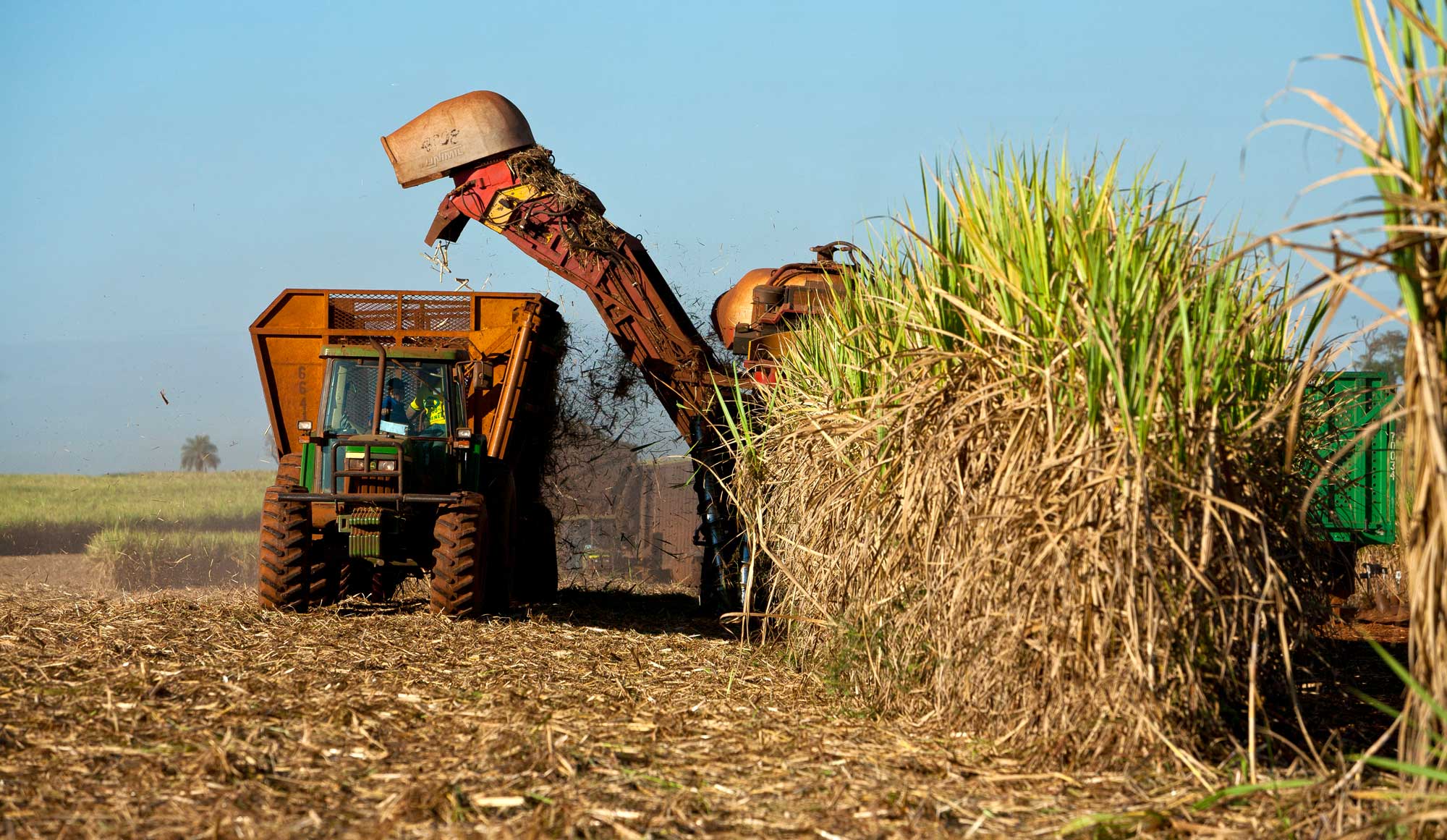
Queensland stands as the leader in Australia’s sugarcane production, with significant areas such as the Burdekin yielding enormous tonnages under irrigation, where planters efficiently cover expansive flat paddocks. In this region, drive shafts are designed to endure high loads from filled hoppers, with reinforced tubes preventing flex under substantial weight.
In Mackay’s undulating fields, the advantages of wide-angle capabilities are evident during headland maneuvers. A contractor noted enhanced billet flow after integrating balanced assemblies.
Far north near Cairns faces challenges from heavy rainfall, necessitating superior moisture seals. Southern regions close to Bundaberg implement trash management strategies, where guarded shafts mitigate the risk of entanglement.
Contributions from New South Wales around Harwood emphasize sustainable methods, with similar robust requirements. These regional distinctions underscore the adaptability of drive shafts, catering to diverse agricultural practices.
Essential Wear Items and Components
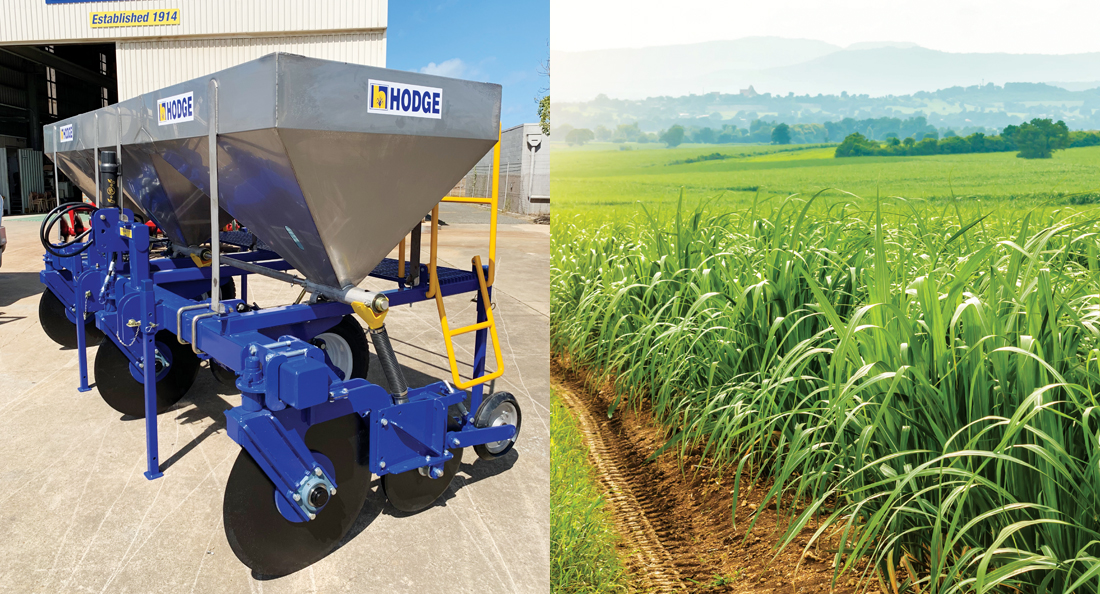
Cross kits endure incessant cycles, while yokes are vital connections, and guards shield against debris impacts. Routine inspections are necessary to avert failures in remote agricultural locations.
Clutches serve to protect metering from blockages, and telescoping designs facilitate necessary adjustments.
Having field spare parts is essential for prompt repairs.

Compatibility Considerations
Our products are designed to be compatible with prevalent models from established manufacturers such as Comer or Walterscheid (for technical reference only; Australian Driveshaft Pty Ltd operates independently).
Demonstration of Sugarcane Planter Operation
This segment showcases a multi-row billet planter in operation, highlighting the power needs from the PTO.
Selecting Gearboxes for Sugarcane Planter Enhancements
Australian Driveshaft Pty Ltd offers a comprehensive range of gearboxes that harmonize seamlessly with our drive shafts, maximizing power for planter operations such as metering and distribution.
Bevel gearboxes redirect power to side applicators for fertilizer, capable of managing significant radial loads in dual-row configurations.
Parallel shaft designs effectively reduce speed for precise billet feeding, featuring hardened gears within sealed casings.
Planetary gearbox units compactly drive conveyors in hopper systems.
Splitter boxes allow for multifunctional passes.
Worm drive mechanisms control gate operations.
And various models adapt to regional needs.
Common Inquiries Regarding Sugarcane Planter Drive Shafts
How to measure length correctly?
At the operational height, ensure there is sufficient overlap and clearance.
Which series suits high HP applications?
Series 8 and above are recommended for ensuring reserve capacity in loaded planters.
What causes vibration issues?
Frequent inspection is necessary to check for worn cross components or imbalances.
What grease to use in humid conditions?
Utilize high-temp synthetic grease every 20 hours for optimal performance.
Is a clutch necessary?
Yes, it is essential for preventing blockages during operation.
What are the angle limits?
The operational angle limit is 40 degrees; consider a CV joint for increased range.
What are the guard requirements?
Complete guards with chains must comply with ASABE standards.
Any quick yoke advice?
Clean the connection points thoroughly before use.
How should storage be managed?
Keep components greased and covered to prevent damage.
What are the signs of failure?
Listen for unusual noises or detect play in the joints.
Recent Developments in Australian Sugarcane Equipment
Recent trials are underway to explore inland expansion, with new machinery adaptations anticipated for the 2026 harvest season in emerging regions.
Reach out to Australian Driveshaft Pty Ltd for tailored drive shaft and gearbox solutions specifically designed for your sugarcane planter.