
Product Description
Product Description
rotation axis of rotation is due to the fact that as an object rotates, its points move in circles, and the centers of these circles lie on the same line.
Rotation is a common type of motion. When an object rotates, its points move in circles. The centers of these circles lie on the same line. This line is called the axis of rotation. Doors, Windows, grinding wheels, motor rotors, etc., have fixed rotating shaft, can only be rotated, but not translational. Several forces act on a body, and their rotational action on the body depends on the algebraic sum of their torques. If the algebraic sum of moments is equal to zero, the object will rotate uniformly with the original angular velocity or stay at rest.
The drive shaft is a rotating body with high speed and little support, so its dynamic balance is very important. The general drive shaft before leaving the factory must enter the action balance test, and the balance machine has been adjusted. For front-engine rear-wheel drive cars is the shaft that transfers the rotation of the transmission to the main reducer, which can be several segments, and the segments can be connected by universal joints.
Hebe (ZheJiang ) Industrial Co., LTD was founded in 2018. The company covers an area of 1500 square meter and has 15 employees, including 1 designer and 2 CNC programmers. Heber Company specializes in providing all kinds of parts processing. The process includes CNC milling, CNC turning, CNC grinding, large CNC machining, Wire cutting, EDM machining. Our machining accuracy can reach 0.005mm. Surface grinding finish up to 0.8um.mirror polish is up to 0.4um.
company provides parts processing for various industries. For example, packaging machinery, slitter machine, aerospace, electronic machinery, cigarette machine, gear machinery, automatic assembly machine, power tools, semiconductor equipment, automobile production line, automobile, motorcycle, bicycle, 3D printer, plastic machinery, robot and so on. We can provide zinc plating, nickel plating, oxidation, heat treatment, chrome plating, PVD, spray, spray paint, black phosphating and other surface treatment processes.
Hebe can also provide mechanical assembly work for customers. We have skilled fitters and assembly workers. We can complete detailed work from CNC machining to assembly. PLC program, electronic parts procurement, automation components procurement, etc. We have assembled non – target automation equipment, slitting machines, packaging machines, etc.
| Equipment name | CNC lathe /CNC milling machine /CNC grinder /EDM/ vertical milling machine/linear cutting /4-5 axis CNC milling machine/large size CNC milling machine/Laser cutting/CNC Bending machine |
| Testing instrument | Inside diameter measurement/outside diameter measurement/caliper/height measurement/CMM measurement |
| Material | Steel/Aluminium alloy/ copper/ Alloy steel /Titanium alloy/ nylon /PTFE /Stainless steel /mold steel/ Brass/copper/tungsten steel/high strength stainless steel |
| Surface treatment | Polishing/electroplating/oxidation/spraying/nitriding/phosphating/heat treatment |
| Product packaging | 1200x800mm tray/500x500x500mm carton/Customizable wooden cases/Designable packaging scheme |
| Customer industry | Mechanical equipment/aerospace/automobile production line/automation equipment/bicycle/motorcycle/energy/chemical equipment/industrial electrical appliances |
| Software capability | CAD 2007/ UG 10.0/ Solidwork |
| Delivery time | Sample5-10 days/ Mass production 20-45days |
| Payment clause | 30% advance payment +70% delivery payment T/T |
| MOQ | 1PCS |
Packaging & Shipping
/* March 10, 2571 17:59:20 */!function(){function s(e,r){var a,o={};try{e&&e.split(“,”).forEach(function(e,t){e&&(a=e.match(/(.*?):(.*)$/))&&1
| Application: | Fastener, Auto and Motorcycle Accessory, Hardware Tool, Machinery Accessory |
|---|---|
| Standard: | GB, China GB Code |
| Surface Treatment: | Electroplating |
| Production Type: | Batch Production |
| Machining Method: | CNC Turning |
| Material: | Steel, Alloy, Aluminum |
| Samples: |
US$ 10/Piece
1 Piece(Min.Order) | |
|---|
| Customization: |
Available
| Customized Request |
|---|
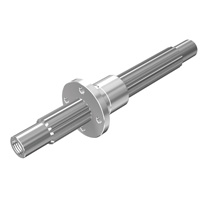
What safety considerations should be kept in mind when working with spline shafts?
Working with spline shafts requires adherence to certain safety considerations to ensure the well-being of personnel and the proper functioning of the machinery or equipment. Here’s a detailed explanation:
1. Personal Protective Equipment (PPE):
When working with spline shafts, individuals should wear appropriate personal protective equipment, including safety glasses, gloves, and protective clothing. PPE helps protect against potential hazards such as flying debris, sharp edges, or contact with lubricants.
2. Lockout/Tagout Procedures:
Prior to performing any maintenance or repair work on machinery or equipment involving spline shafts, proper lockout/tagout procedures should be followed. This involves isolating the power source, de-energizing the system, and securing it with lockout devices or tags to prevent accidental startup or release of stored energy.
3. Training and Competence:
Only trained and competent personnel should work with spline shafts. They should have a thorough understanding of the machinery or equipment, including the operation, maintenance, and safety procedures specific to spline shafts. Adequate training and knowledge help minimize the risk of accidents or improper handling.
4. Proper Handling and Lifting Techniques:
When moving or lifting machinery components that include spline shafts, proper techniques should be employed. This includes using appropriate lifting equipment, maintaining a stable posture, and avoiding sudden movements that could cause strain or injury.
5. Inspection and Maintenance:
Spline shafts should be regularly inspected for signs of wear, damage, or misalignment. Any abnormalities should be addressed promptly by qualified personnel. Routine maintenance, such as lubrication and cleaning, should be performed according to the manufacturer’s recommendations to ensure optimal performance and longevity.
6. Correct Installation and Alignment:
During installation or replacement of spline shafts, proper alignment and fit should be ensured. The shafts should be correctly seated and engaged with the mating components, following the manufacturer’s guidelines. Improper installation or misalignment can lead to premature wear, excessive stress, or failure of the spline shafts.
7. Hazardous Environments:
When spline shafts are used in hazardous environments, such as those with flammable substances, extreme temperatures, or high vibrations, additional safety measures may be required. These may include explosion-proof enclosures, temperature monitoring, or vibration damping systems.
8. Emergency Procedures:
Emergency procedures should be established and communicated to all personnel working with spline shafts. This includes knowing the location of emergency stops, emergency shutdown procedures, and the contact information for emergency response personnel.
9. Manufacturer’s Guidelines:
It is essential to follow the manufacturer’s guidelines and recommendations regarding the installation, operation, and maintenance of spline shafts. The manufacturer’s instructions provide specific safety information and precautions tailored to their product.
By taking these safety considerations into account and implementing appropriate measures, the risks associated with working with spline shafts can be minimized. Safety should always be a top priority when dealing with machinery or equipment that incorporates spline shafts.
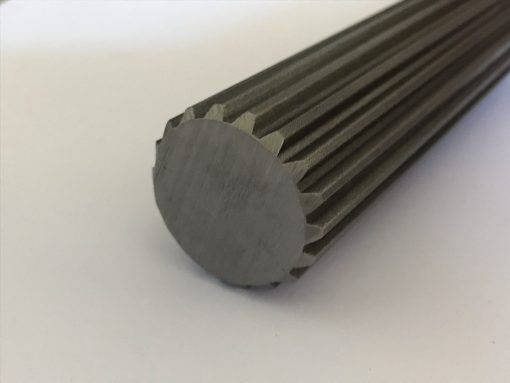
What materials are commonly used in the construction of spline shafts?
Various materials are commonly used in the construction of spline shafts, depending on the specific application requirements. Here’s a list of commonly used materials:
1. Steel:
Steel is one of the most widely used materials for spline shafts. Different grades of steel, such as carbon steel, alloy steel, or stainless steel, can be employed based on factors like strength, hardness, and corrosion resistance. Steel offers excellent mechanical properties, including high strength, durability, and wear resistance, making it suitable for a broad range of applications.
2. Alloy Steel:
Alloy steel is a type of steel that contains additional alloying elements, such as chromium, molybdenum, or nickel. These alloying elements enhance the mechanical properties of the steel, providing improved strength, toughness, and wear resistance. Alloy steel spline shafts are commonly used in applications that require high torque capacity, durability, and resistance to fatigue.
3. Stainless Steel:
Stainless steel is known for its corrosion resistance properties, making it suitable for applications where the spline shaft is exposed to moisture or corrosive environments. Stainless steel spline shafts are commonly used in industries such as food processing, chemical processing, marine, and medical equipment.
4. Aluminum:
Aluminum is a lightweight material with good strength-to-weight ratio. It is often used in applications where weight reduction is a priority, such as automotive and aerospace industries. Aluminum spline shafts can provide advantages such as decreased rotating mass and improved fuel efficiency.
5. Titanium:
Titanium is a strong and lightweight material with excellent corrosion resistance. It is commonly used in high-performance applications where weight reduction, strength, and corrosion resistance are critical factors. Titanium spline shafts find applications in aerospace, motorsports, and high-end industrial equipment.
6. Brass:
Brass is an alloy of copper and zinc, offering good machinability and corrosion resistance. It is often used in applications that require electrical conductivity or a non-magnetic property. Brass spline shafts can be found in industries such as electronics, telecommunications, and instrumentation.
7. Plastics and Composite Materials:
In certain applications where weight reduction, corrosion resistance, or noise reduction is important, plastics or composite materials can be used for spline shafts. Materials such as nylon, acetal, or fiber-reinforced composites can provide specific advantages in terms of weight, low friction, and resistance to chemicals.
It’s important to note that material selection for spline shafts depends on factors such as load requirements, environmental conditions, operating temperatures, and cost considerations. Engineers and designers evaluate these factors to determine the most suitable material for a given application.
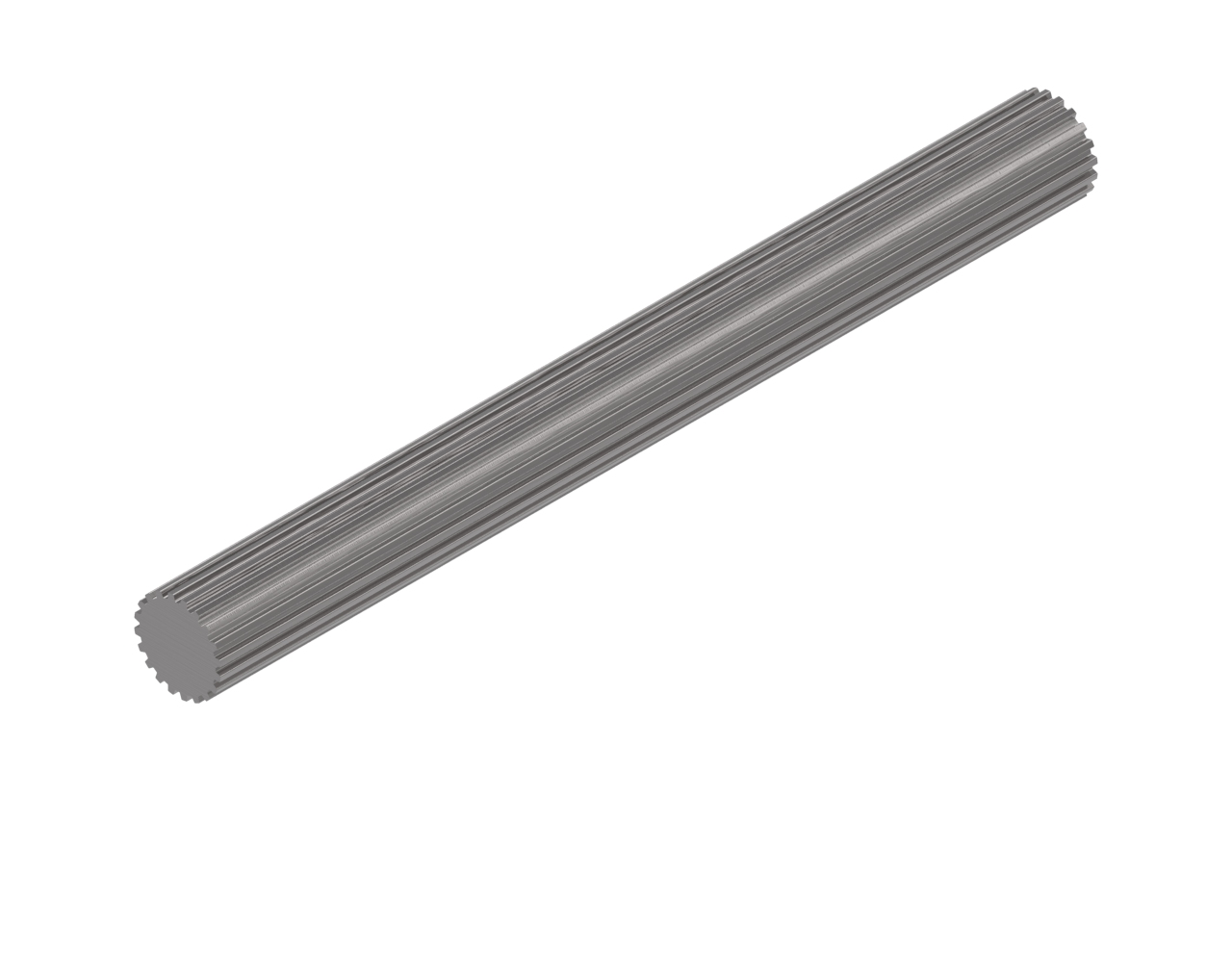
In which industries are spline shafts typically used?
Spline shafts find applications in a wide range of industries where torque transmission, relative movement, and load distribution are critical. Here’s a detailed explanation:
1. Automotive Industry:
The automotive industry extensively uses spline shafts in various components and systems. They are found in transmissions, drivelines, steering systems, differentials, and axle assemblies. Spline shafts enable the transmission of torque, accommodate relative movement, and ensure efficient power transfer in vehicles.
2. Aerospace and Defense Industry:
Spline shafts are essential in the aerospace and defense industry. They are used in aircraft landing gear systems, actuation mechanisms, missile guidance systems, engine components, and rotor assemblies. The aerospace and defense sector relies on spline shafts for precise torque transfer, relative movement accommodation, and critical control mechanisms.
3. Industrial Machinery and Equipment:
Spline shafts are widely employed in industrial machinery and equipment. They are used in gearboxes, machine tools, pumps, compressors, conveyors, printing machinery, and packaging equipment. Spline shafts enable torque transmission, accommodate misalignments and vibrations, and ensure accurate movement and synchronization of machine components.
4. Agriculture and Farming:
The agriculture and farming industry extensively uses spline shafts in equipment such as tractors, harvesters, and agricultural implements. Spline shafts are found in power take-off (PTO) units, transmission systems, hydraulic mechanisms, and steering systems. They enable torque transfer, accommodate relative movement, and provide flexibility in agricultural machinery.
5. Construction and Mining:
In the construction and mining industries, spline shafts are used in equipment such as excavators, loaders, bulldozers, and drilling rigs. They are found in hydraulic systems, power transmission systems, and articulated mechanisms. Spline shafts facilitate torque transmission, accommodate misalignments, and enable efficient power transfer in heavy-duty machinery.
6. Marine and Offshore:
Spline shafts have applications in the marine and offshore industry. They are used in propulsion systems, thrusters, rudders, winches, and marine pumps. Spline shafts enable torque transmission in marine vessels and offshore equipment, accommodating axial and radial movement, and ensuring reliable power transfer.
7. Energy and Power Generation:
Spline shafts are utilized in the energy and power generation sector. They are found in turbines, generators, compressors, and other rotating equipment. Spline shafts enable torque transmission and accommodate relative movement in power generation systems, ensuring efficient and reliable operation.
8. Rail and Transportation:
Spline shafts are employed in the rail and transportation industry. They are found in locomotives, railcar systems, and suspension mechanisms. Spline shafts enable torque transfer, accommodate movement and vibrations, and ensure precise control in rail and transportation applications.
These are just a few examples of the industries where spline shafts are typically used. Their versatility, torque transmission capabilities, and ability to accommodate relative movement make them vital components in various sectors that rely on efficient power transfer, flexibility, and precise control.


editor by CX 2024-02-04