
Australia’s non-metallic processing industry is anchored in precise power transmission, functioning from the active plastics compounding facilities in Melbourne’s industrial zones to the vast glass manufacturing plants in Sydney and the specialized ceramic workshops in Adelaide. Universal drive shafts act as a vital link between motors and screw extruders that push molten polymers, internal mixers that knead rubber compounds, ball mills that grind clays, and conveyor systems that supply furnaces.
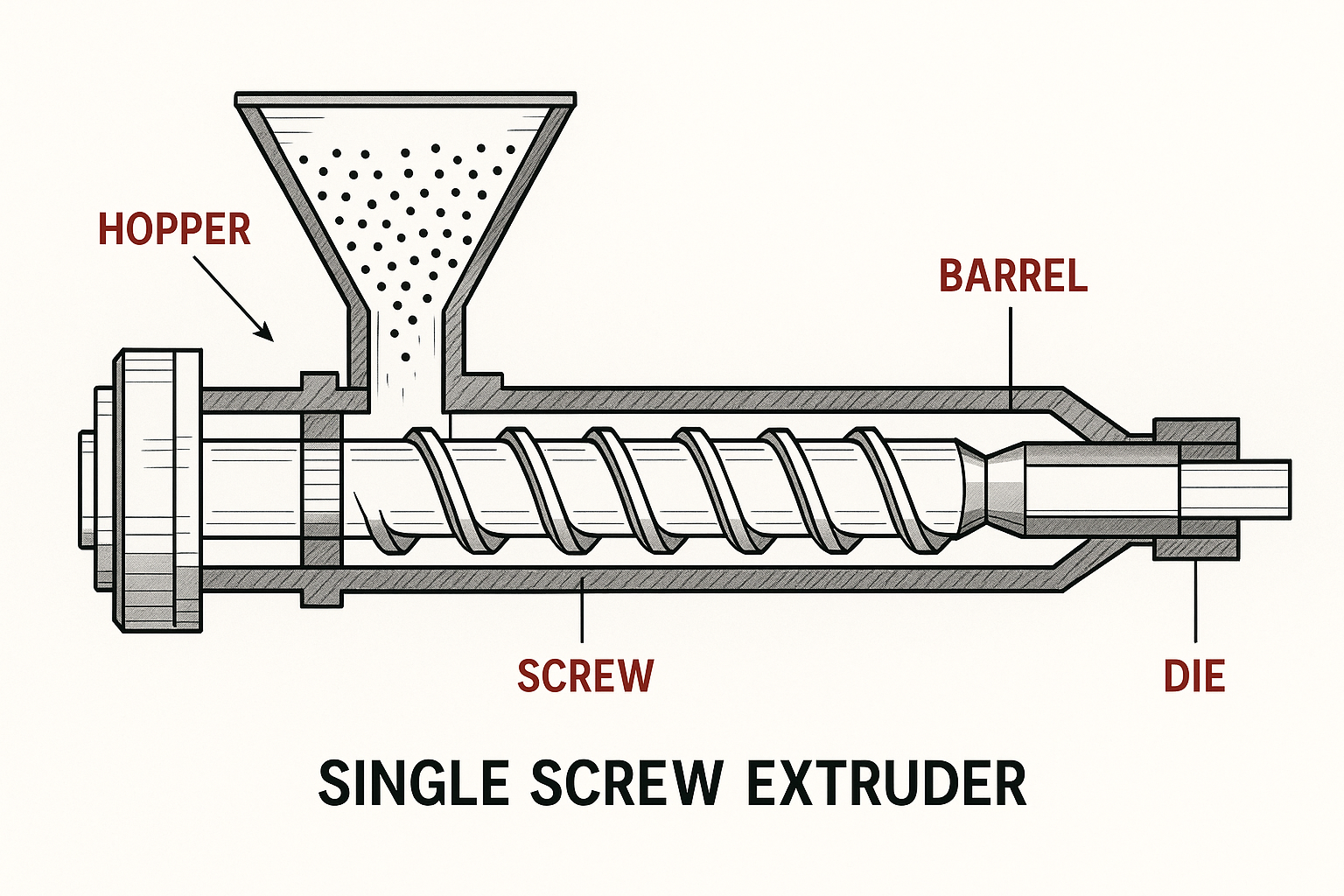
These settings present numerous challenges for shafts, including polymer residues that can cause joints to bind, fine silica dust that wears on bearings, and thermal cycling that leads to expansion mismatches. Our designs incorporate features validated in these conditions, ensuring dependable operation in the humid compounding facilities of Queensland and the mineral grinding locations of Western Australia.
Design Strengths Tailored for Processing Duties
Crafted from corrosion-resistant alloys and equipped with sealed needle bearings, these shafts are capable of managing angles up to 22 degrees while maintaining steady torque, ideal for the offset configurations found in twin-screw extruders and Banbury mixers. Labyrinth seals and purgeable grease compartments effectively keep contaminants at bay, ensuring consistent performance in dusty ceramic tile presses or fiberglass pultrusion lines.
A balanced construction reduces vibrations that could disrupt uniform extrusion or lead to inconsistent grinding, while telescopic components accommodate length variations caused by heat in lengthy glass tempering ovens.
Extensive Parameter Range for Diverse Applications
Our industrial universal drive shafts, applicable across plastics, rubber, glass, and ceramics, are characterized by these 28 essential parameters:
| Parameter | Specifications | Processing Relevance |
|---|---|---|
| Continuous Torque | 600 – 22,000 Nm | Extruder screw drives |
| Peak Torque | Up to 45,000 Nm | Startup surges in mixers |
| Flange Sizes | 140 – 380 mm | Motor and gearbox matches |
| Joint Angle Max | 22° operating | Offset in compounding lines |
| Length Closed | 900 – 6500 mm | Long furnace feeds |
| Telescopic Range | 250 – 1400 mm | Thermal expansion |
| Tube Materials | 316 stainless, coated carbon | Chemical resistance |
| Cross Durability | 62 HRC hardened | Abrasive dust wear |
| Bearing Type | Sealed needle | Contaminant protection |
| Balance Standard | G2.5 | Uniform material flow |
| Temp Rating | -5°C to +160°C | Hot extrusion zones |
| Seal Effectiveness | Multi-lip + bellows | Polymer residue block |
| Weight per Length | 18 – 55 kg/m | Heavy processing builds |
| Speed Capability | 2800 RPM | High-speed granulators |
| Safety Factor | 1.9 min | Overload from blockages |
| Lubrication Life | 2000 – 5000 hours | Synthetic high-temp grease |
| Coating Options | Epoxy, PTFE | Sticky material resistance |
| Bolt Security | Class 12.9 | Vibration retention |
| Critical Speed | 1.6x running | Long span stability |
| Dust Ingress | IP55 equivalent | Fine particle environments |
| Extension Mechanism | Spline slip | Easy adjustment |
| Tube OD | 90 – 280 mm | Torque scaled |
| Wall Strength | 6 – 18 mm | Impact tolerant |
| Material Tensile | 850 MPa+ | Alloy selections |
| Cycle Fatigue | 10^8+ | Continuous runs |
| Surface Prep | Shot peened | Stress relief |
| Angle Variation | <2.5% | Constant velocity |
| Protection Add-ons | Friction limiters | Process safeguard |
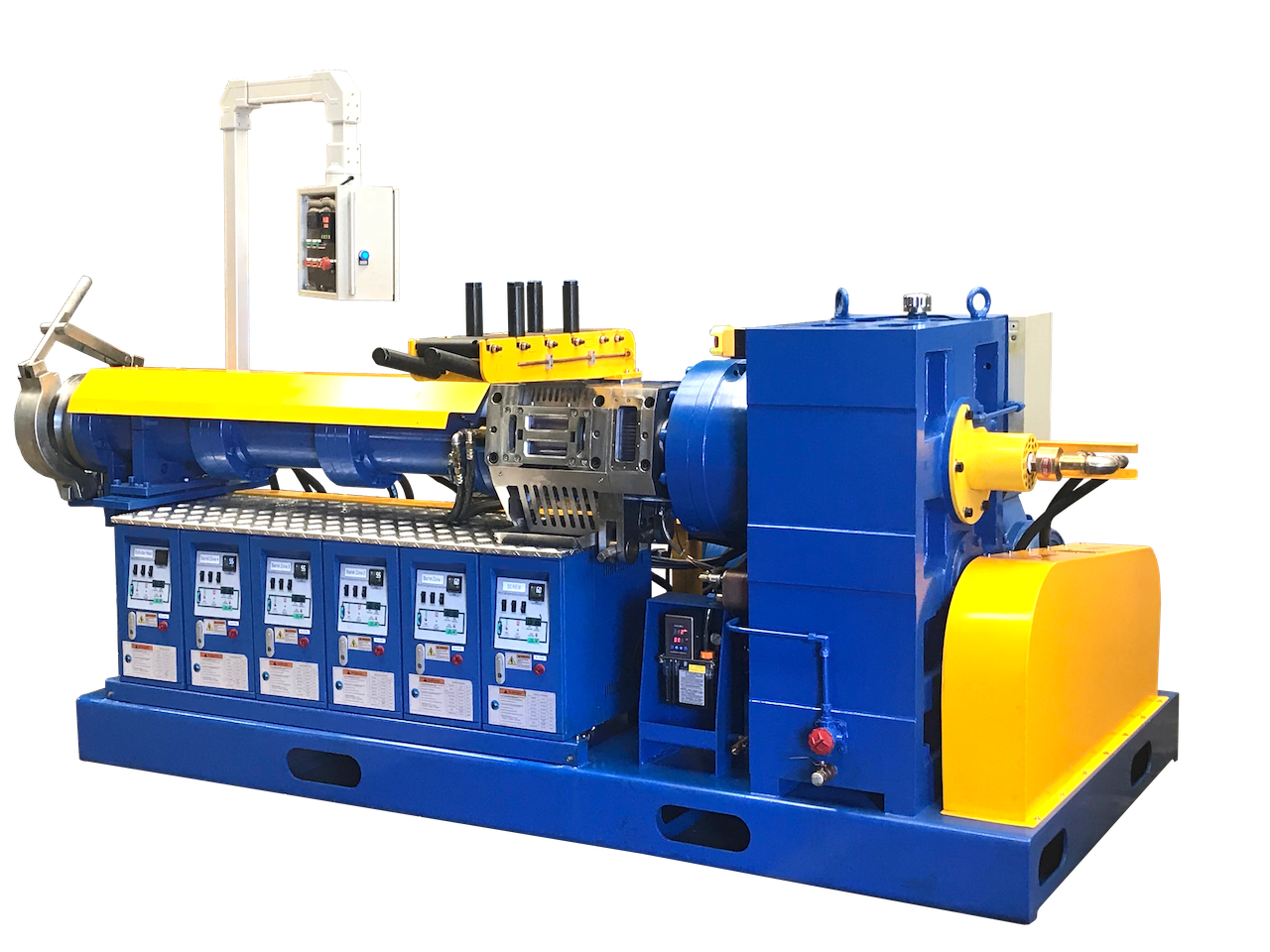
New South Wales Plastics Compounding Field Notes
In the industrial regions of western Sydney, extruder lines are engaged in processing recycled polymers with diverse viscosities. Shafts experience residue accumulation that can stiffen joints. Our purge-friendly designs facilitate swift cleaning during grade alterations, ensuring operational efficiency.
Observations from a Melbourne Rubber Plant Upgrade
At a facility in Dandenong producing tire compounds, earlier shafts were compromised by heat and chemical degradation of seals. Transitioning to high-temperature viton seals and stainless steel crosses significantly extended replacement intervals, allowing maintenance scheduling around production peaks rather than in reaction to failures.
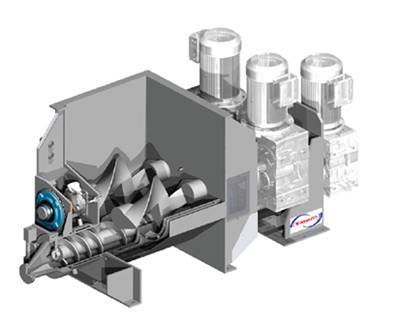
Victoria Glass and Ceramics Processing Insights
The glass bottle production lines in Melbourne and tile presses in Geelong necessitate smooth torque to mitigate defects. Balanced shafts help avoid pulsations that could lead to uneven wall thickness or cracking during forming stages.
Queensland Mineral Grinding Applications
In plants around Brisbane grinding silica for composites, fine dust penetrates every area. Labyrinth-sealed joints have demonstrated resilience, maintaining low friction throughout extended operations.
Compliance with Australian Machinery Regulations
Our shafts fully adhere to AS/NZS 4024 Safety of Machinery standards, featuring fixed guards, assessed risk nip points, and emergency stop compatibility. In dust-laden non-metallic environments, designs are crafted to minimize ignition sources in accordance with Work Health and Safety guidelines.
Performance Comparison References
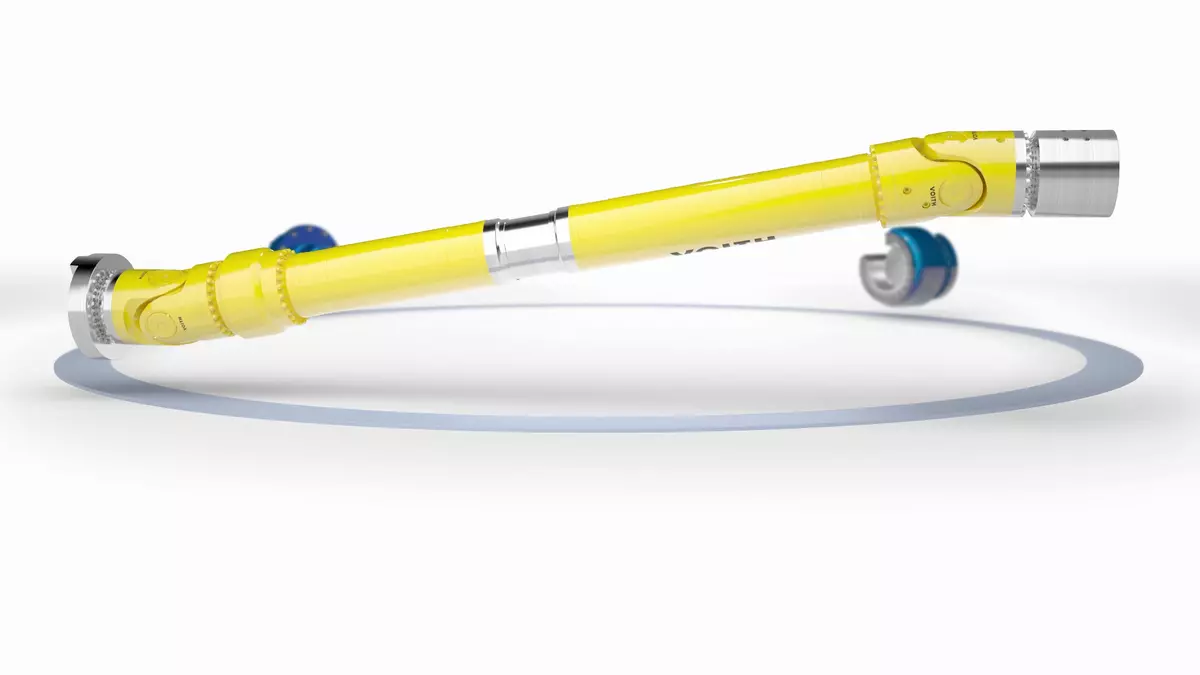
Prominent global suppliers like GKN, Comer, and Voith provide reliable products for processing (for technical reference only; Australian Driveshaft Pty Ltd. is an independent manufacturer). Our shafts align with specifications while benefiting from local engineering enhancements and swift parts supply across the nation.
Essential Accessories and Maintenance Items
For dependable operation, shafts are paired with support bearings for extended reaches, torque limiters to protect screws from jams, and full guarding that complies with Australian standards. Our inventory includes cross assemblies, yokes, and seal kits, alongside indicators that signal wear to prevent issues.

Technician Experience in an Adelaide Ceramics Facility
An upgrade of kiln feed drives unveiled vibration issues resulting from imbalance, which affected product consistency. Precision-balanced replacements smoothed operations, reducing scrap rates and enabling tighter process controls for premium tiles.
Comprehensive Gearbox Offerings for Non-Metallic Drives
Australian Driveshaft Pty Ltd. manufactures an extensive range of industrial gearboxes that integrate seamlessly with our universal drive shafts within non-metallic processing. Our product lineup includes inline helical, worm, and planetary units spanning from 0.18 kW to 4000 kW, with ratios from 3:1 to 5000:1 and torques reaching 1,200,000 Nm in larger frames.
Gears crafted from nitrided steels achieve superior meshing for quieter operations, which is vital for plants located near urban environments. Housings made from grey cast iron or steel plates are designed to endure heavy loads, while sealed enclosures prevent dust intrusion.
Input options are flexible, allowing for direct coupling, belt drives, or hydraulic motors, while output configurations feature solid shafts, hollow variants with keys, or foot mounts for tank-top agitators. Cooling mechanisms, including fans, coils, or pumps, effectively manage heat generated from viscous melts.
In extruder applications, high-torque parallel shafts withstand side loads resulting from die pressure. Planetary stages offer substantial reductions within compact spaces.
Our chemical-resistant coatings and stainless hardware are well-suited for aggressive environments. Leak-proof designs prevent contamination in hygiene-sensitive compounding processes.
Bevel units are capable of handling right-angle transmissions in mixer discharges, while oil filtration systems extend the lifespan of lubricants in dusty grinding mills.
Custom flanges facilitate alignment with legacy equipment, simplifying the upgrade process. Load monitoring ports allow for maintenance based on operational conditions.
Multi-stage helical-planetary combinations deliver extreme ratios for slow calender rolls while maintaining efficiency. Thermostats are integrated to prevent overloads.
Modular options include encoders for precise speed management in film production lines. Comprehensive documentation provides performance curves and certification packages.
The integration of these gearboxes with our shafts results in efficient, low-maintenance trains that enhance throughput in competitive sectors.
Users frequently report reductions in energy consumption and cooler operating temperatures. Extended warranties are supplemented by oil sampling programs.
Our equipment sees deployment from Tasmania’s specialized composites to mineral processors in the Northern Territory, showcasing wide-ranging applicability.
Various items, including flexible couplings, bases, and sensors, are kept in local stock for prompt repairs.
Latest Updates in Australia’s Non-Metallic Processing Landscape
Investments in rare earth and critical mineral processing facilities are on the rise, with new plants anticipated to commence operations in South Australia by 2026. Manufacturing assessments highlight innovation amidst energy challenges, while advancements in vanadium and materials support broader industry expansion.