
Product Description
MTD Cub Cudet Spindle Assembly X Housing
| 918-05016 918- 0571 5 | MTD 918-05016 618-05016 918- 0571 5B 618- 0571 5B 918- 0571 5A 618- 0571 5A Cub Cadet 618-05016 918-05016 Rotary 14329 Oregon 82-043 Prime Line 7-57112 Stens 285-885 |
Spindle Assembly included Pulley replace 6 pt. star spindle shaft Fits models LTX1050 mowers with 50″ decks 2011-2014 |
| PULLEY | ||
| HOUSING X2 | ||
| SHAFT | ||
| 918-05016 | MTD 918-05016, 618-05016, Cub Cadet 618-05016 918-05016, Rotary 14329, Oregon 82-043, Prime Line 7-57112, Ratio Parts 122-175 |
Spindle Assembly included Pulley Fits models LTX1050 mowers with 50″ decks 2011-2013 . |
| housing X2 | ||
| shaft | ||
| pulley | ||
| 918-571 618-0565 | MTD, Cub Cadet,Troy Bilt 618-571, 918-571, 618-0565, 918-0565, 618-571C, 918-571C. | Spindle Assembly included Pulley Fits models mowers with 42″ decks, 600 series |
| PULLEY | ||
| HOUSING X3 | ||
| shaft long :122 mm 6 stars blades adapters | SHAFT FIT MTD, Cub Cadet,Troy Bilt 618-571, 918-571, 618-0565, 918-0565, 618-571C, 918-571C. | |
| 918-0138 918-0142 | MTD,Cub Cadet 618-0142 618-0138 918-0138 918-0142 OREGON 82-513-2 STENS 285-119 |
Spindle Assembly included Pulley Fits 38″ and 42″ decks , 600 series ,1997 and newer ,6 points star center hole blades |
| PULLEY | ||
| housing fit 918-0138 918-0142 918- 0571 6 918- 0571 5 918-0324 918- 0571 918-0659 |
FIT MTD 38″ 42″ decks from 1997-present | |
| Spindle Shaft for MTD,Cub Cadet,Troy Bilt 738-571 FIT 918-0138 918-571? |
5/8-18 UNF Thread ,6 star center hole blades long: 151.2 mm | |
| 918-0659 918-0624 | MTD, Cub Cadet,Troy Bilt 618-0624 618-0624A 918-0659A 918-0624A 918-0659 Oregon 82-408 |
Spindle Assembly included Pulley Fits models LT1040, LT1042, RZT mowers with 42″ decks |
| housing 0198 | ||
| pulley | ||
| SHAFT MTD738-1571A Toro 112-0884 long: 164 mm 6 stars blades adapters |
||
| 918- 0571 5 918- 0571 6 | MTD & Cub Cadet 618- 0571 5, 618- 0571 6, 618- 0571 6A, 918- 0571 5, 918- 0571 6, 918- 0571 6A Oregon 82-403 |
Spindle Assembly included Pulley Fits models i1050 LT1050 RZT22 RZT50 RZT50VT SLT1554 mowers with 50″ 54″decks |
| PULLEY | ||
| HOUSING 0198 | ||
| SHAFT 738-1571A ? | ||
| 918-5717 918- 0571 918-0324 | MTD ,Cub Cadet , Troy Bilt 618-0324 618-0324A 618- 0571 A 618- 0571 C 917-5717A 918-0324 918-0324A 918-5717 918- 0571 Oregon 82-051 |
Spindle Assembly included Pulley Fits models 1170, 1600, 1800 and RZT mowers with 42″ decks |
| housing 0139 | ||
| shaft | ||
| pulley | ||
| 918-04461 918-04456 | MTD , Cub Cadet 618-04456 618-04461A 918-04456A 918-04461A 717-04461 Oregon 82-407 STENS 285-843 TORO 112-0460 ROTARY 13131 |
Spindle Assembly included Pulley Fits models LT1042 series mowers with 42″ decks |
| housing 0139 | ||
| shaft 738-04241 938-04241 3 points star long:5.5″ | ||
| pulley 6″ | ||
| 918-0671 918-04608 | MTD ,Cub Cadet ,Troy Bilt 618-04608A 618-0671D 918-04608A 918-0671 618-0671 618-0671A 918-0671A Oregon 82-519 ROTARY 12612 STENS 285-859 |
Spindle Assembly included Pulley Fits models GT1554 GT275 RZT54 GTX1054 mowers with 54″ decks, 800 series |
| HOUSING 0139 | ||
| SHAFT 738-1197 3 Points star 7-5/8″long | ||
| PULLY 5- 7/16″ OD | ||
| 918-3167 618-3167 | MTD 918-3167 618-3167 Troy Bilt 14115 Oregon 82-044 |
Spindle Assembly included Pulley Fits models MTD& Cub Cadet 250 mowers with 38″ decks Fits models Troy-Bilt 14115 mowers with 38″ decks |
| PULLEY | ||
| HOUSING x1 | ||
| SHAFT | ||
| 918-3129 918-5714 918-04426 | MTD,Cub Cudet 618-3129A, 618-3129, 918-3129, 918-3129A 918-04426 918-5714 |
Spindle Assembly Fits models 1515 2130, 2146, 2155, 2164 and 2166. For 38″ 42″ 44″ cut decks. Includes upper / lower tapered roller bearings and seats, spacer and housing. |
| housing x1 | ||
| 918- 0571 4 | MTD & Cub Cadet 618- 0571 4 918- 0571 4 | Spindle Assembly included Pulley Fits models LT1042 2007& before |
| housing x1 | ||
| shaft 710–4226 710-1889 | ||
| pully | ||
| 918- 0571 9 | MTD & Cub Cadet 618- 0571 9A 618- 0571 9B 918- 0571 9A 918- 0571 9B 618- 0571 9C 918- 0571 9C Oregon 82-412 Stens 285-842 Sunbelt B1CC112 |
Spindle Assembly included Pulley Fits models LT1000 LT1571 LT1050 SLT1554 mowers with 50″decks |
| 710–4226 710-1889 | MTD & Cub Cadet 710–4226 710-1889 5.875″LONG 13/16″THREAD |
Blade Bolt Replaces Cub Cadet 710-04226, 910-04226, 710-1889 FIT 918- 0571 3 918- 0571 4 918- 0571 9 |
| pulley | ||
| housing x1 |
FAQ:
Notice
1. We maintain high standards of customer satisfaction! Your feedback is very important to us. Before giving us neutral or negative feedback, please contact us to satisfactorily address your concerns.
2. Please compare the good’s appearance, shape, size with your original parts before ordering.
3. Due to the different color resolution settings of the display, the CZPT may have a color difference, please know it.
4. All our products are non-assembled, pictures are for reference only.
Problem with An Order?
We work hard to get everything right but mistakes happen and we want to fix them quickly, please ask any questions using the Made-in-China system before starting a dispute.
Feedback
We maintain high standards of CZPT and strive for 100% customer satisfaction! If you are not satisfied with our products or services please contact us first, sincerely hope through our cooperation, we can resolve the problems smoothly.
About Us
We do retail and wholesale for gasoline chainsaw, brush cutter, grass trimmer, and other garden tool parts. Welcome here to pick out and buy.
Contact
If you have questions or problems please leave messages, we will reply to you as soon as possible.
| Spindle Stub Shaft: | Spindle Mandrel Shaft 738-0933 738-0889 738-0927 |
|---|---|
| Transport Package: | Color Box |
| Specification: | Mower Deck parts |
| Trademark: | ATC |
| Origin: | Anhui China |
| Samples: |
US$ 19.99/Piece
1 Piece(Min.Order) | |
|---|
| Customization: |
Available
| Customized Request |
|---|
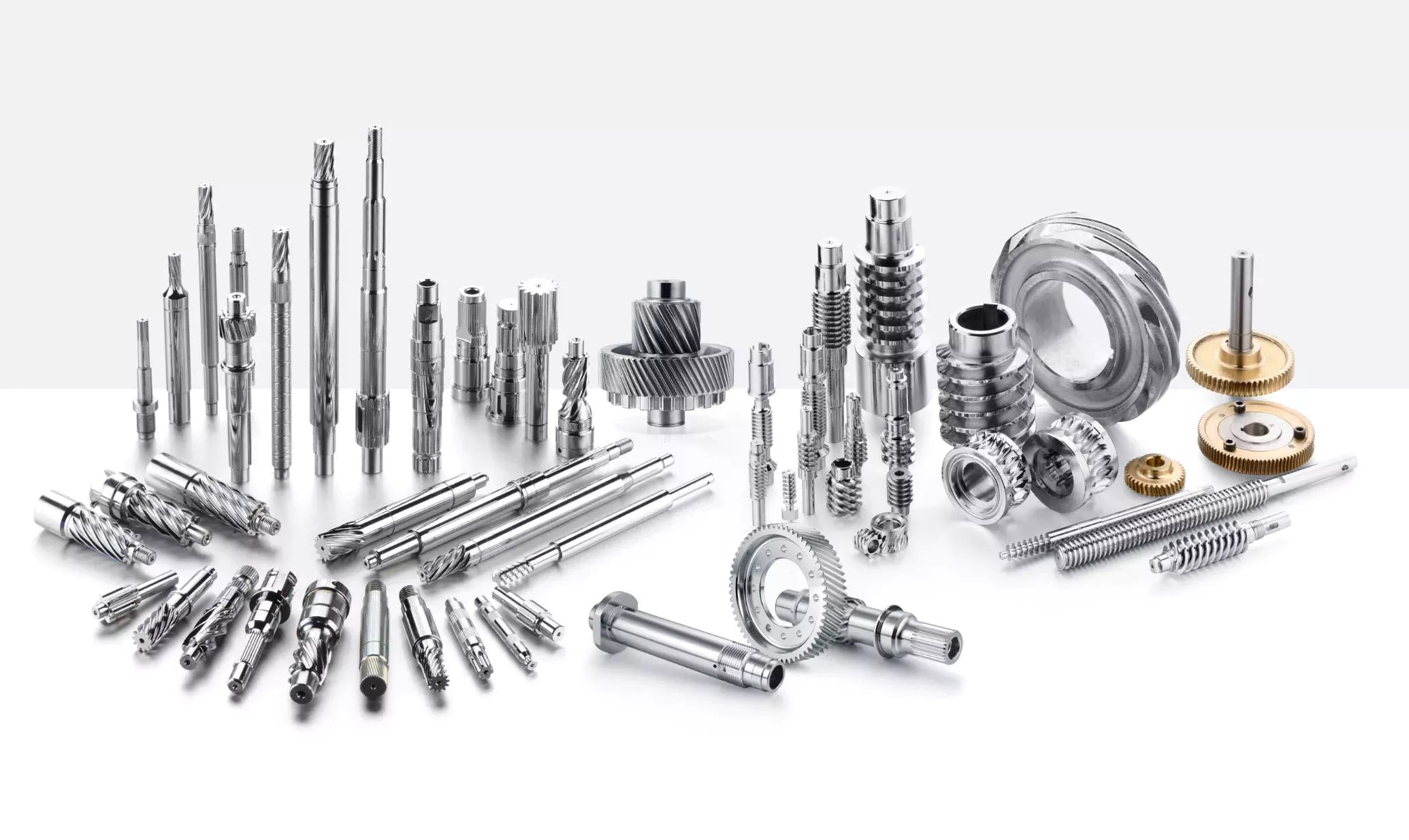
Analytical Approaches to Estimating Contact Pressures in Spline Couplings
A spline coupling is a type of mechanical connection between two rotating shafts. It consists of two parts – a coupler and a coupling. Both parts have teeth which engage and transfer loads. However, spline couplings are typically over-dimensioned, which makes them susceptible to fatigue and static behavior. Wear phenomena can also cause the coupling to fail. For this reason, proper spline coupling design is essential for achieving optimum performance.
Modeling a spline coupling
Spline couplings are becoming increasingly popular in the aerospace industry, but they operate in a slightly misaligned state, causing both vibrations and damage to the contact surfaces. To solve this problem, this article offers analytical approaches for estimating the contact pressures in a spline coupling. Specifically, this article compares analytical approaches with pure numerical approaches to demonstrate the benefits of an analytical approach.
To model a spline coupling, first you create the knowledge base for the spline coupling. The knowledge base includes a large number of possible specification values, which are related to each other. If you modify one specification, it may lead to a warning for violating another. To make the design valid, you must create a spline coupling model that meets the specified specification values.
After you have modeled the geometry, you must enter the contact pressures of the two spline couplings. Then, you need to determine the position of the pitch circle of the spline. In Figure 2, the centre of the male coupling is superposed to that of the female spline. Then, you need to make sure that the alignment meshing distance of the two splines is the same.
Once you have the data you need to create a spline coupling model, you can begin by entering the specifications for the interface design. Once you have this data, you need to choose whether to optimize the internal spline or the external spline. You’ll also need to specify the tooth friction coefficient, which is used to determine the stresses in the spline coupling model 20. You should also enter the pilot clearance, which is the clearance between the tip 186 of a tooth 32 on one spline and the feature on the mating spline.
After you have entered the desired specifications for the external spline, you can enter the parameters for the internal spline. For example, you can enter the outer diameter limit 154 of the major snap 54 and the minor snap 56 of the internal spline. The values of these parameters are displayed in color-coded boxes on the Spline Inputs and Configuration GUI screen 80. Once the parameters are entered, you’ll be presented with a geometric representation of the spline coupling model 20.
Creating a spline coupling model 20
The spline coupling model 20 is created by a product model software program 10. The software validates the spline coupling model against a knowledge base of configuration-dependent specification constraints and relationships. This report is then input to the ANSYS stress analyzer program. It lists the spline coupling model 20’s geometric configurations and specification values for each feature. The spline coupling model 20 is automatically recreated every time the configuration or performance specifications of the spline coupling model 20 are modified.
The spline coupling model 20 can be configured using the product model software program 10. A user specifies the axial length of the spline stack, which may be zero, or a fixed length. The user also enters a radial mating face 148, if any, and selects a pilot clearance specification value of 14.5 degrees or 30 degrees.
A user can then use the mouse 110 to modify the spline coupling model 20. The spline coupling knowledge base contains a large number of possible specification values and the spline coupling design rule. If the user tries to change a spline coupling model, the model will show a warning about a violation of another specification. In some cases, the modification may invalidate the design.
In the spline coupling model 20, the user enters additional performance requirement specifications. The user chooses the locations where maximum torque is transferred for the internal and external splines 38 and 40. The maximum torque transfer location is determined by the attachment configuration of the hardware to the shafts. Once this is selected, the user can click “Next” to save the model. A preview of the spline coupling model 20 is displayed.
The model 20 is a representation of a spline coupling. The spline specifications are entered in the order and arrangement as specified on the spline coupling model 20 GUI screen. Once the spline coupling specifications are entered, the product model software program 10 will incorporate them into the spline coupling model 20. This is the last step in spline coupling model creation.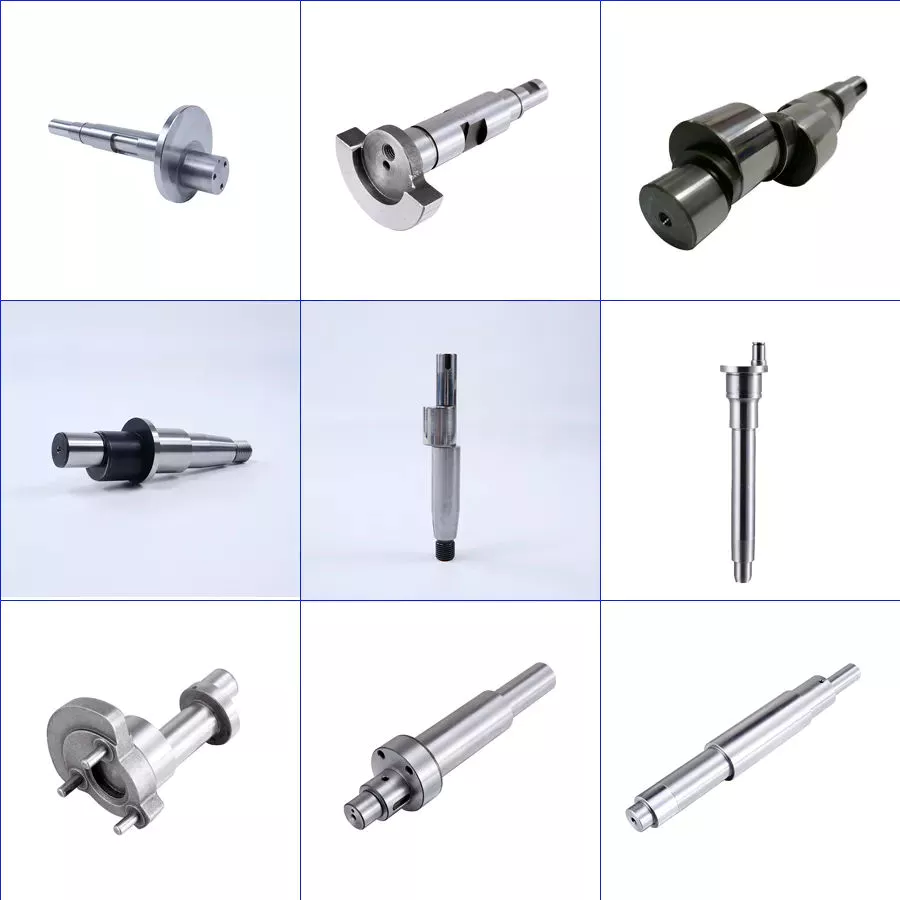
Analysing a spline coupling model 20
An analysis of a spline coupling model consists of inputting its configuration and performance specifications. These specifications may be generated from another computer program. The product model software program 10 then uses its internal knowledge base of configuration dependent specification relationships and constraints to create a valid three-dimensional parametric model 20. This model contains information describing the number and types of spline teeth 32, snaps 34, and shoulder 36.
When you are analysing a spline coupling, the software program 10 will include default values for various specifications. The spline coupling model 20 comprises an internal spline 38 and an external spline 40. Each of the splines includes its own set of parameters, such as its depth, width, length, and radii. The external spline 40 will also contain its own set of parameters, such as its orientation.
Upon selecting these parameters, the software program will perform various analyses on the spline coupling model 20. The software program 10 calculates the nominal and maximal tooth bearing stresses and fatigue life of a spline coupling. It will also determine the difference in torsional windup between an internal and an external spline. The output file from the analysis will be a report file containing model configuration and specification data. The output file may also be used by other computer programs for further analysis.
Once these parameters are set, the user enters the design criteria for the spline coupling model 20. In this step, the user specifies the locations of maximum torque transfer for both the external and internal spline 38. The maximum torque transfer location depends on the configuration of the hardware attached to the shafts. The user may enter up to four different performance requirement specifications for each spline.
The results of the analysis show that there are two phases of spline coupling. The first phase shows a large increase in stress and vibration. The second phase shows a decline in both stress and vibration levels. The third stage shows a constant meshing force between 300N and 320N. This behavior continues for a longer period of time, until the final stage engages with the surface.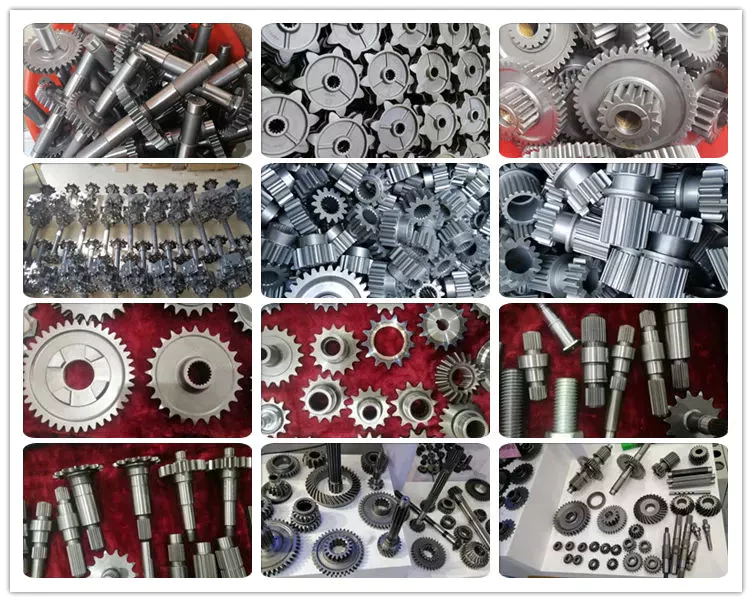
Misalignment of a spline coupling
A study aimed to investigate the position of the resultant contact force in a spline coupling engaging teeth under a steady torque and rotating misalignment. The study used numerical methods based on Finite Element Method (FEM) models. It produced numerical results for nominal conditions and parallel offset misalignment. The study considered two levels of misalignment – 0.02 mm and 0.08 mm – with different loading levels.
The results showed that the misalignment between the splines and rotors causes a change in the meshing force of the spline-rotor coupling system. Its dynamics is governed by the meshing force of splines. The meshing force of a misaligned spline coupling is related to the rotor-spline coupling system parameters, the transmitting torque, and the dynamic vibration displacement.
Despite the lack of precise measurements, the misalignment of splines is a common problem. This problem is compounded by the fact that splines usually feature backlash. This backlash is the result of the misaligned spline. The authors analyzed several splines, varying pitch diameters, and length/diameter ratios.
A spline coupling is a two-dimensional mechanical system, which has positive backlash. The spline coupling is comprised of a hub and shaft, and has tip-to-root clearances that are larger than the backlash. A form-clearance is sufficient to prevent tip-to-root fillet contact. The torque on the splines is transmitted via friction.
When a spline coupling is misaligned, a torque-biased thrust force is generated. In such a situation, the force can exceed the torque, causing the component to lose its alignment. The two-way transmission of torque and thrust is modeled analytically in the present study. The analytical approach provides solutions that can be integrated into the design process. So, the next time you are faced with a misaligned spline coupling problem, make sure to use an analytical approach!
In this study, the spline coupling is analyzed under nominal conditions without a parallel offset misalignment. The stiffness values obtained are the percentage difference between the nominal pitch diameter and load application diameter. Moreover, the maximum percentage difference in the measured pitch diameter is 1.60% under a torque of 5000 N*m. The other parameter, the pitch angle, is taken into consideration in the calculation.


editor by CX 2023-11-22