
Spinning Disc Dynamics and Power Transfer Requirements
Core Specifications for Centrifugal Spreader Applications
Selecting the appropriate shaft relies on aligning spinning requirements with field conditions. Below are 32 specifications refined from Australian usage trends:
| Parameter | Explanation | Common Values |
|---|---|---|
| 1. Series Level | Size standard | Series 5-8 or Metric 6-10 |
| 2. Tractor Connection | Spline | 1-3/8″ 6 or 21 |
| 3. Spreader Yoke | End fitting | Quick pin |
| 4. Minimum Length | Closed | 900-1400mm |
| 5. Maximum Length | Extended | 1200-1900mm |
| 6. Torque 540 RPM | Standard | 600-1200 Nm |
| 7. Torque 1000 RPM | High speed | 900-1800 Nm |
| 8. Horsepower | Handling | 50-150 HP |
| 9. Tube Shape | Profile | Triangular dominant |
| 10. Thickness | Wall | 3-5mm |
| 11. Journal | Cross diameter | 27-32mm |
| 12. Angle Max | Flex | 35-50 degrees |
| 13. Guard | Cover | Full plastic |
| 14. Lube Interval | Hours | 15-40 |
| 15. Overload | Type | Slip clutch |
| 16. Release Torque | Setting | 800-1600 Nm |
| 17. Weight | Total | 18-35 kg |
| 18. Steel | Grade | ST52.3 |
| 19. Finish | Coating | Phosphated |
| 20. Balance | Grade | ISO G6.3 |
| 21. Overlap | Min safe | 250mm |
| 22. CV | Option | Available |
| 23. Release | Mechanism | Push collar |
| 24. Chains | Guard | Included |
| 25. Standards | Compliance | ASABE aligned |
| 26. Temp | Range | -10 to 80°C |
| 27. Seals | Type | Multi-lip |
| 28. Life | Cycles | 1.2 million |
| 29. Tolerance | Bore | H7 |
| 30. Weld | Quality | Penetration |
| 31. Paint | Finish | Powder |
| 32. Warranty | Months | 24 |
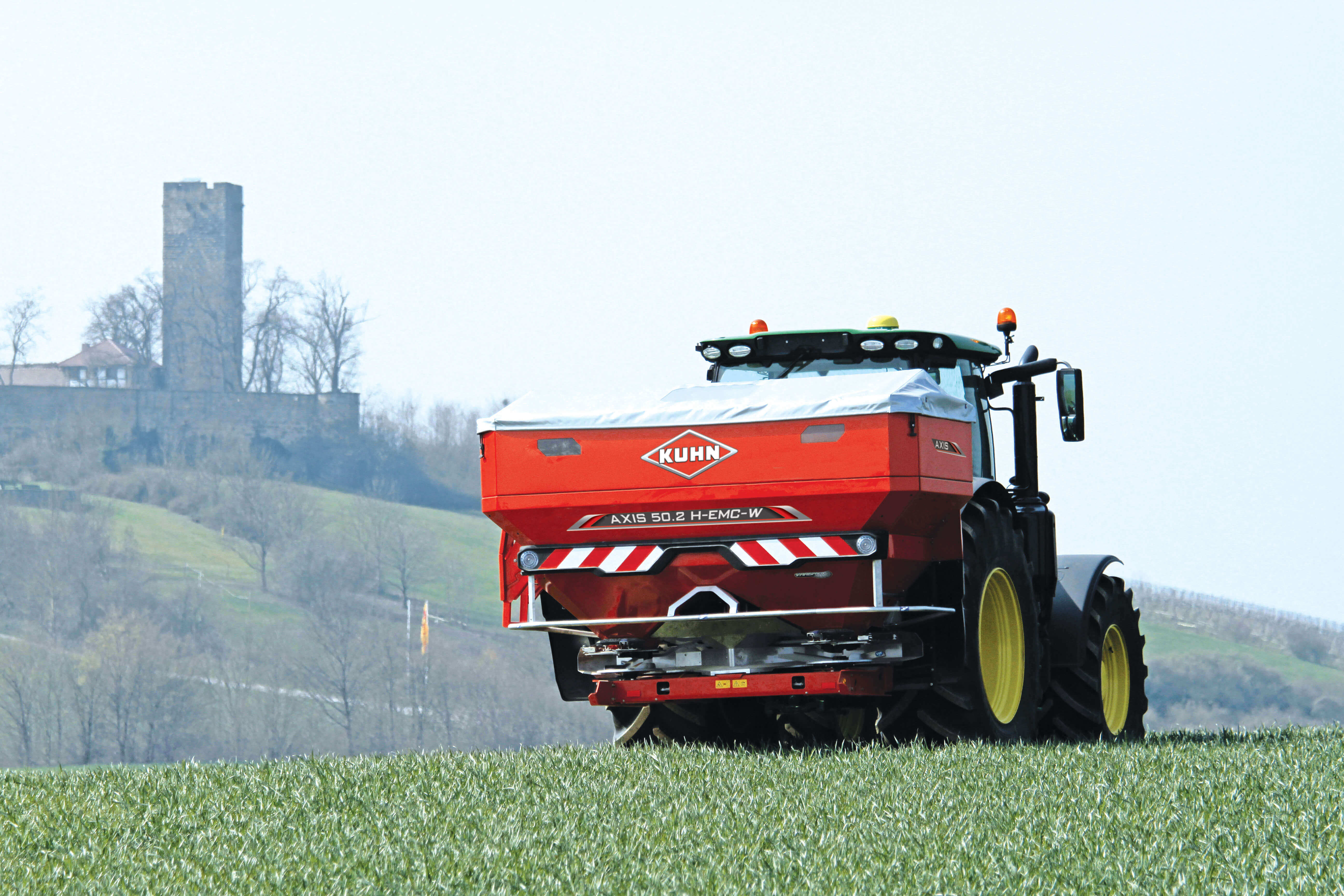
Western Australian Pasture Renovation Experiences
The extensive pastoral regions of Western Australia depend significantly on centrifugal spreaders for lime and fertilizer applications to combat soil acidity, with operations stretching from the Kimberley to the Great Southern. Dusty conditions challenge shaft durability over long distances. Growers in the Esperance area utilize gypsum for soil structure improvement, opting for heavy-duty series for reliable disc rotation. A station manager noted that sealed upgrades led to longer intervals between maintenance. In the Wheatbelt, integrated cropping-pasture systems require adaptable shafts. Northern regions contend with the impacts of monsoon seasons on machinery components. These adaptations ensure effective soil amendment across difficult landscapes.
Wear Points and Service Focus
Cross bearings experience high rotational speeds, guards accumulate debris, and clutches can fail due to blockages. Conducting regular inspections is essential for maintaining operational uniformity. Keeping spare parts readily available is crucial for remote working conditions.
Technical Compatibility Overview
Our shafts are designed to match profiles from established systems such as those found in KUHN or Agrex ranges (technical reference only; Australian Driveshaft Pty Ltd operates independently).
Complementary Gearboxes for Spreader Optimization
Australian Driveshaft Pty Ltd offers gearboxes that enhance the performance of centrifugal spreaders, including speed reduction and multiple outputs for improved control. The spinning disc gearboxes utilize bevel gears for dependable high-RPM transfer, with ratios ensuring optimal throw patterns. Hopper agitator boxes are included to prevent bridging within prilled materials. Variable rate units can be integrated with GPS for precise section control, alongside a wide variety of models suitable for different materials and application widths. 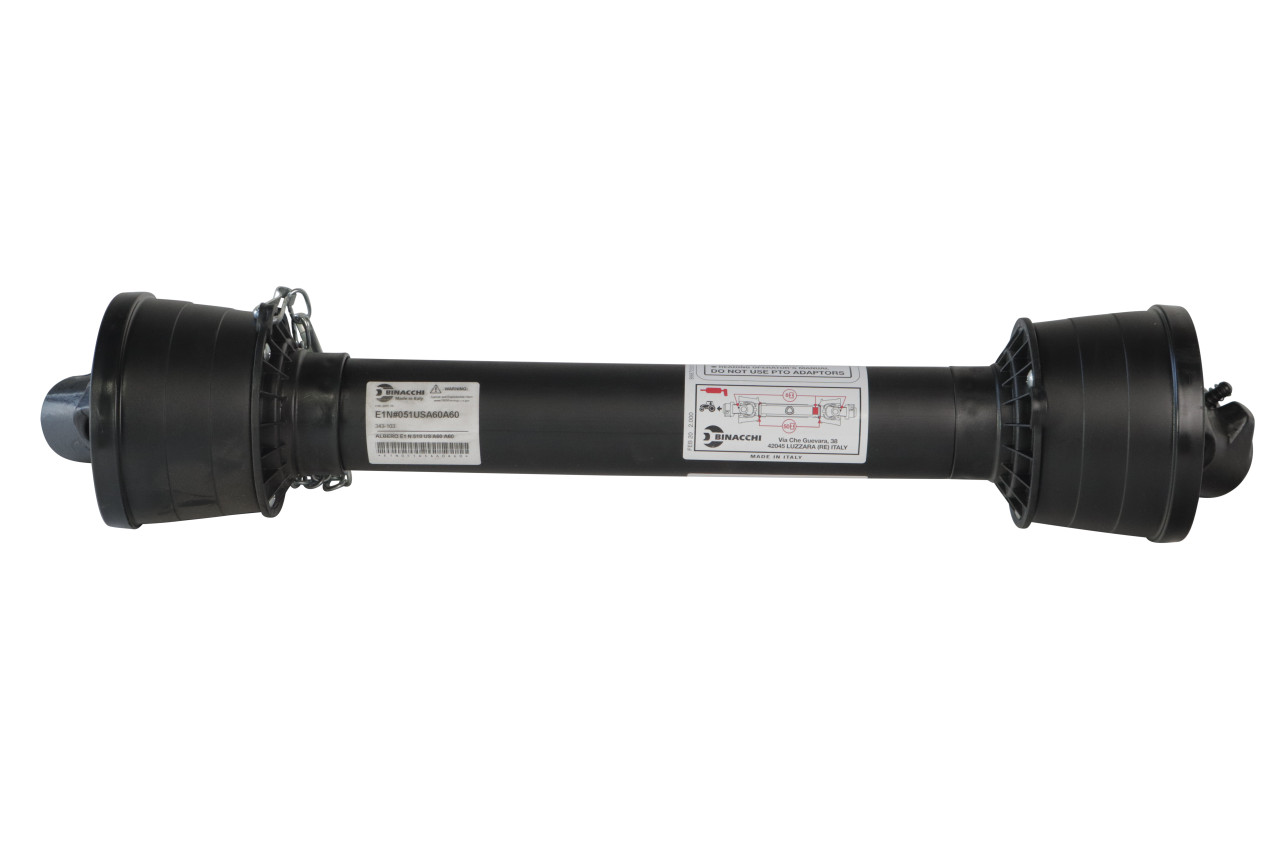
Frequently Asked Questions About Spreader Drive Shafts
What length is needed for a trailed spreader?
Measure the extended length and ensure there’s adequate overlap.
Which series is suitable for 100 HP?
A Series 6 is sufficient for this power requirement.
What should I do about vibration issues?
Inspect the balance and joints to identify potential issues.
What type of grease is recommended?
Use EP2 lithium grease for optimal performance.
Is a clutch necessary?
It is advisable to use a clutch to prevent jams during operation.
What is the maximum safe angle?
Angles can be accommodated up to 35 degrees.
How often should guards be checked?
Daily inspections are recommended for safety.
Should the connection be cleaned regularly?
Yes, routine cleaning is important for maintaining performance.
How should off-season storage be handled?
Store greased units indoors to prevent corrosion.
What are the indicators of wear?
Signs of wear include noticeable play or unusual noise.
Australian Fertilizer Application Updates
As early as 2026, there is a sustained emphasis on precision spreading technologies amid sustainability initiatives within broadacre farming sectors.