
Targeted Nutrient Delivery via Deep Placement Technology
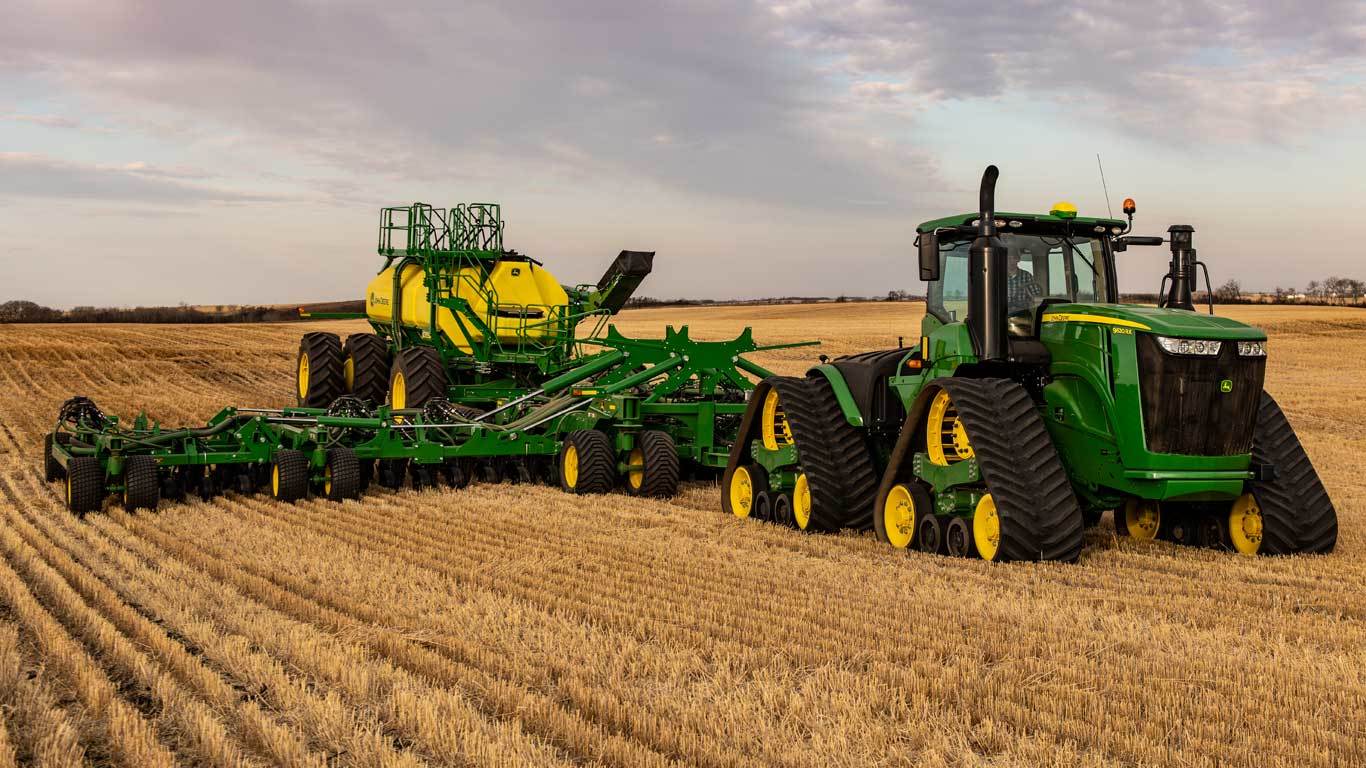
Deep placement applicators are increasingly popular in Australian farming for applying fertilizers beneath the soil surface, typically at depths of 15-30cm. This method enhances nutrient uptake efficiency and mitigates losses, particularly in crops such as wheat, canola, and pulses found in the Wheatbelt and northern grains regions. These machines inject either liquid or granular nutrients directly into bands, significantly reducing volatilization and runoff while promoting deeper root growth, which contributes to improved drought resilience.
In the low-rainfall areas of Western Australia near Merredin, deep banding of phosphorus helps to address stratification concerns in no-till systems, enabling crops to access moisture retained in subsoils. Drive shafts effectively transmit PTO power to pumps, metering systems, or openers, managing variable loads as tanks are emptied across expansive fields.
Similarly, in South Australia’s Eyre Peninsula, this technology is being adopted for the incorporation of gypsum and lime, with shafts designed to accommodate the angles of rolling terrain. In New South Wales’ Riverina, deep placement is integrated with controlled traffic farming, necessitating balanced assemblies to prevent vibration that could disrupt precision guidance.
In Queensland’s Darling Downs, reduced nitrogen losses are achieved due to the summer-dominant rainfall patterns. Over the years, working alongside local growers, we’ve noted that sealed joints withstand abrasive dust from parched soils, thereby prolonging component lifespan during extensive operations.
High-rainfall regions in Victoria utilize this technique for applying starter fertilizers in pastures, with quick-connect features facilitating multi-implement applications. A contractor in the vicinity of Dubbo reported consistent banding depth after installing reinforced tubes, enhancing uniformity on heavy clay soils.
Safety remains paramount, necessitating full guarding in shared farming environments. These applications foster sustainable agricultural intensification, aligning with national objectives for the efficient use of resources.
Performance Specifications for Deep Placement Drive Shafts
The shafts deployed in these applicators emphasize a robust torque reserve and flexibility. Below are 30 critical parameters derived from proven configurations in Australian agricultural settings:
| Parameter | Details | Typical Range |
|---|---|---|
| 1. Series Category | Standard sizing | Series 6-9 |
| 2. Tractor Spline | Connection | 1-3/8″ 21-spline |
| 3. Applicator Yoke | End type | Clamp heavy |
| 4. Closed Length | Compressed | 1000-1600mm |
| 5. Extended Length | Maximum | 1400-2200mm |
| 6. Continuous Torque | 540 RPM | 800-1600 Nm |
| 7. Peak Torque | Surge | 2000-3000 Nm |
| 8. Power Rating | HP | 80-200 |
| 9. Tube Profile | Shape | Star heavy |
| 10. Wall Thickness | Gauge | 4-6mm |
| 11. Cross Journal | Diameter | 30-35mm |
| 12. Operating Angle | Max | 40 degrees |
| 13. Guard Material | Cover | Impact plastic |
| 14. Grease Hours | Interval | 20-50 |
| 15. Overload | Device | Friction clutch |
| 16. Clutch Torque | Setting | 1200-2500 Nm |
| 17. Assembly Weight | Total | 25-45 kg |
| 18. Steel Alloy | Grade | 42CrMo |
| 19. Surface | Treatment | Phosphated thick |
| 20. Balance | Standard | ISO G4.0 |
| 21. Overlap Min | Safety | 300mm |
| 22. CV Joint | Wide | Available |
| 23. Release | Mechanism | Push heavy |
| 24. Chains | Retention | Dual |
| 25. Compliance | Standards | ASABE |
| 26. Temperature | Range | -15 to 85°C |
| 27. Seals | Type | Triple |
| 28. Fatigue | Cycles | 2 million |
| 29. Bore | Tolerance | H8 |
| 30. Warranty | Period | 30 months |
Farmers engaged in broadacre agriculture throughout Australia’s grain belts are progressively utilizing deep placement techniques to tackle nutrient stratification issues and enhance efficiency in no-till systems. In the Wheatbelt, phosphorus banding at depth allows crops to tap into subsoil moisture, thereby improving yields during dry seasons.
Producers near Narrabri in New South Wales have reported superior establishment rates for canola through liquid injection using powered applicators. Operations on the Eyre Peninsula are incorporating amendments to address acidic soil conditions.
Insights from the Darling Downs demonstrate decreased volatilization of urea due to this method. These real-world examples illustrate significant improvements in nutrient utilization.
Essential Components and Durability Considerations
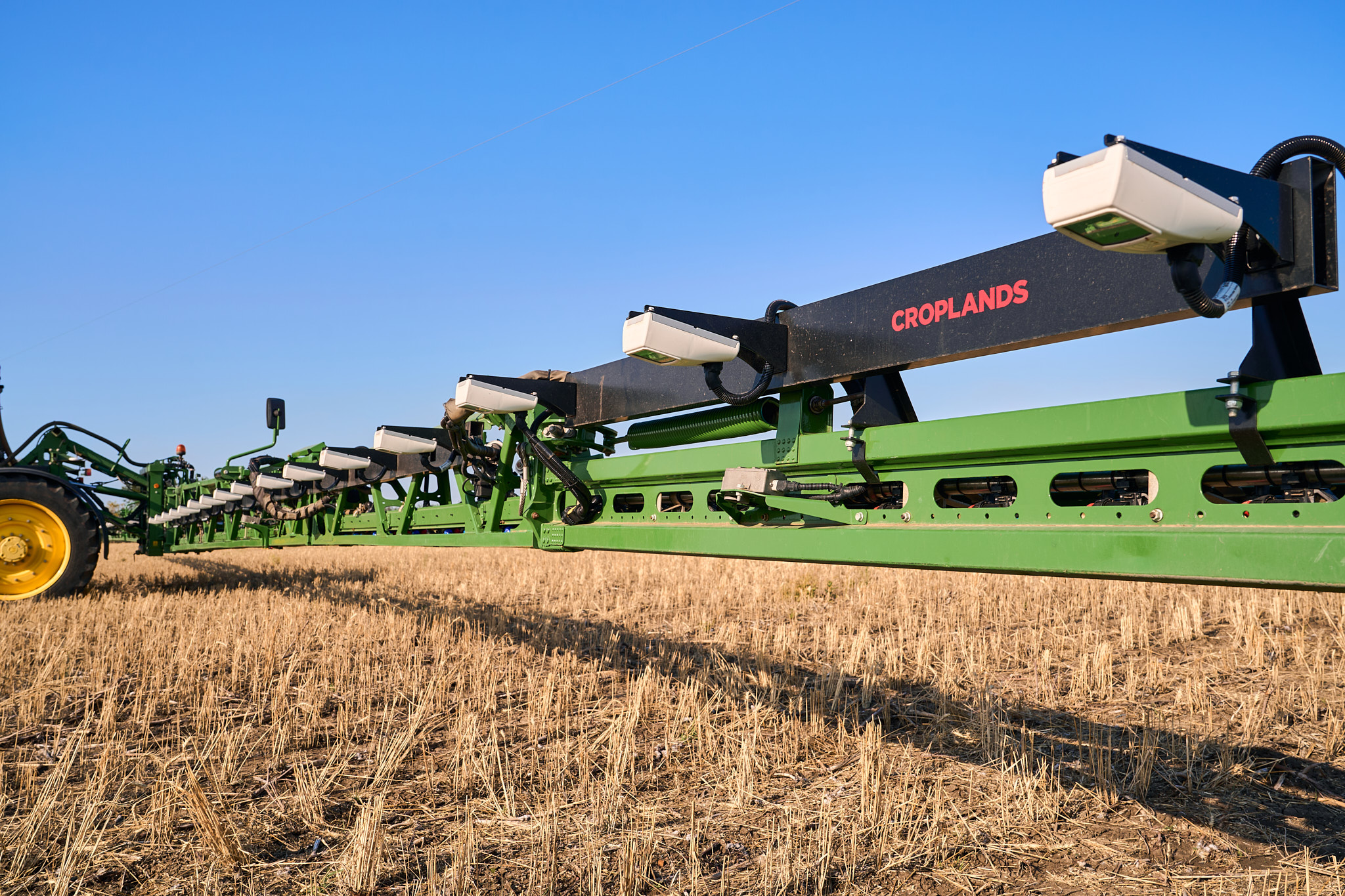
Cross kits, telescoping tubes, and clutches endure rigorous operational cycles. Guards serve to protect during passes over debris-laden landscapes. Regular upkeep is crucial for maintaining accuracy.
Alignment with Industry Standards
Our offerings align with prevalent configurations from established designs (for reference only; Australian Driveshaft Pty Ltd operates as an independent manufacturer).
Field Performance of Deep Placement Applicators
Demonstrating the nutrient banding process in grain cropping efforts.
Integrated Gearboxes Enhancing Deep Placement
Australian Driveshaft Pty Ltd provides gearboxes that are compatible with our shafts, ensuring accurate metering and effective power distribution in applicators.
Pump drives reliably manage liquids, with bevel options available for angled delivery. Parallel unit designs are suitable for augers, while planetary systems cater to compact torque requirements.
A variety of specialized models is available for different nutrients and application depths.
Contemporary Trends in Australian Nutrient Management
As we approach early 2026, the fertilizer market continues to expand, with a strong emphasis on precision methods such as deep placement, driven by sustainability imperatives and variable seasonal conditions.
Contact Australian Driveshaft Pty Ltd for customized solutions regarding drive shafts and gearboxes tailored for your deep placement applicator needs.

Frequently Asked Questions Regarding Deep Placement Drive Shafts
What factors should I consider when selecting a shaft for a liquid applicator?
Focus on the torque specifications to meet pump requirements, ensure the seals are durable against chemical exposure, and align the series with the tractor’s horsepower for adequate reserve capacity under varying conditions. Additionally, consider the length of the shaft for trailed units to maintain proper overlap during turns.
What advantages does deep placement offer in arid regions?
This technique delivers nutrients close to subsoil moisture sources, minimizes losses, and promotes the development of deeper roots for enhanced drought resilience. It is particularly prevalent in the Wheatbelt for improving phosphorus efficiency across growing seasons.
How can vibration impact banding depth?
Vibrations often stem from worn joints or imbalances within the assembly; it’s essential to inspect cross joints, rebalance the unit, or upgrade to a heavier-duty series to maintain stability on uneven terrain.
What are the lubrication recommendations for maintenance?
Utilize high-temperature extreme pressure (EP) grease infused with molybdenum, particularly suited for abrasive soil conditions. Apply the grease every 30 hours or following dusty operations to effectively purge any contaminants.
Why is the clutch a critical component?
The clutch is vital to safeguard pumps against blockages, permitting a reset without causing damage. It is adjustable to accommodate different materials, whether granular or liquid, ensuring operational flexibility.
What is the safe operating angle for the equipment?
It is advisable to limit the operating angle to a maximum of 35 degrees; for hilly areas, opting for CV joints can help prevent loss of power or undue stress on the system.
What are the guarding requirements?
Comprehensive coverage with supports and chains is mandated under ASABE standards to ensure safety for operators while working in open agricultural fields.
How should I maintain the connections?
Thoroughly clean the splines, apply a light layer of grease, and verify the lock mechanism before each use to guarantee secure engagement of components.
What is the best way to store equipment between uses?
Ensure all points are greased, disconnect components and store in a sheltered area, and cover guards to protect against UV degradation during the off-season.
What signs indicate early wear in components?
Indicators such as clicking sounds, noticeable play in joints, or grease leaking from seals suggest the need for immediate replacement of cross joints to avoid further damage.