
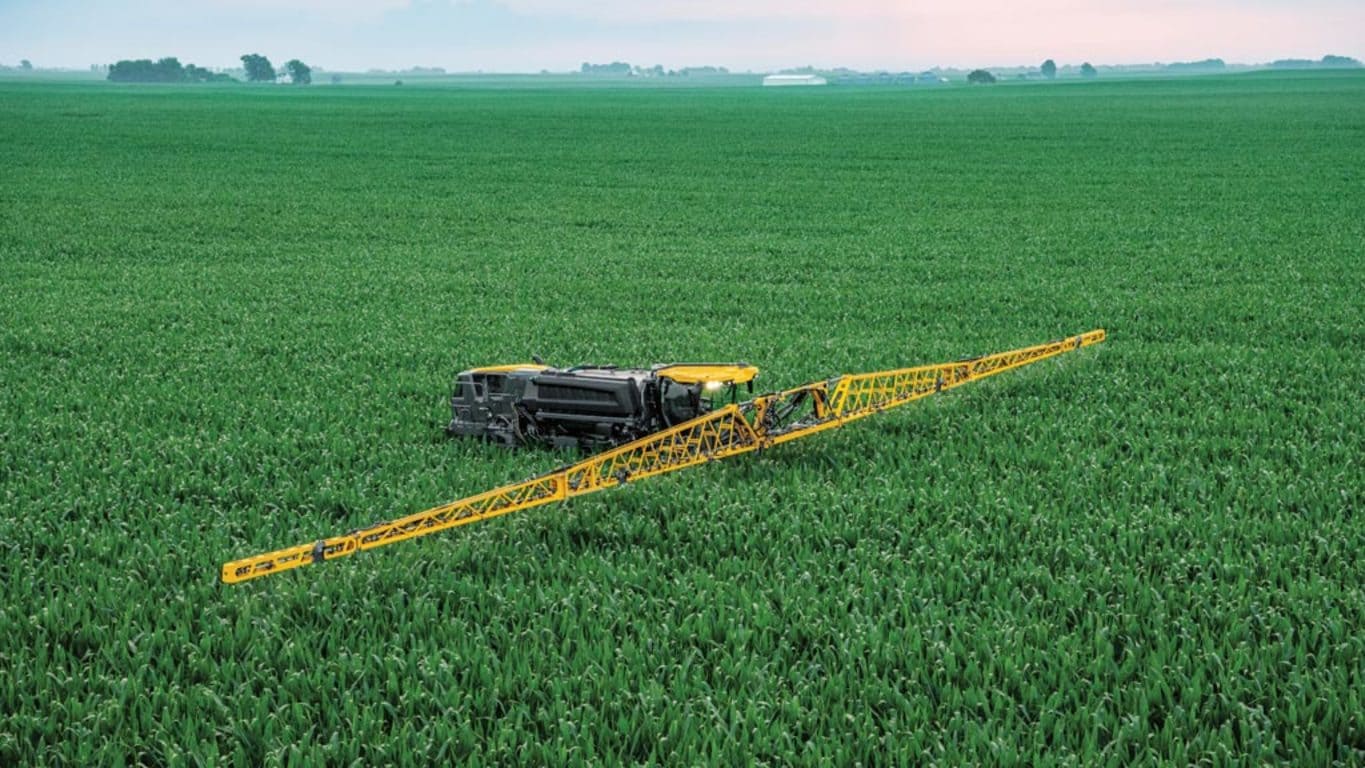
Key Specifications for High-Clearance Sprayer Applications
The shafts utilized in these machines require exceptional speed capabilities and durability. The following 31 parameters illustrate the actual demands faced in Australian tall-crop spraying:
| Parameter | Description | Typical Values |
|---|---|---|
| 1. Series | Classification | Series 6-10 |
| 2. Spline Tractor | Connection | 1-3/8″ 21-spline |
| 3. Pump Yoke | Implement | Quick clamp |
| 4. Compressed | Length closed | 1100-1700mm |
| 5. Extended | Length max | 1500-2300mm |
| 6. Torque 540 | RPM continuous | 900-1800 Nm |
| 7. Torque 1000 | RPM | 1400-2500 Nm |
| 8. HP | Rating | 100-250 |
| 9. Profile | Tube | Star reinforced |
| 10. Thickness | Wall | 4.5-7mm |
| 11. Journal | Cross | 32-38mm |
| 12. Angle | Operating | 45 degrees |
| 13. Guard | Type | Heavy plastic |
| 14. Interval | Grease | 25-50 hours |
| 15. Protection | Overload | Ratchet clutch |
| 16. Setting | Clutch | 1500-3000 Nm |
| 17. Weight | Total | 28-55 kg |
| 18. Alloy | Steel | 40Cr |
| 19. Treatment | Surface | Thick phosphate |
| 20. Balance | Grade | ISO G2.5 |
| 21. Overlap | Minimum | 350mm |
| 22. CV | Joint | 80-degree |
| 23. Release | Yoke | Heavy push |
| 24. Chains | Guard | Triple |
| 25. Compliance | Safety | ASABE full |
| 26. Temp | Range | 0-85°C |
| 27. Seals | Dust/chem | Quad lip |
| 28. Life | Cycles | 2.5 million |
| 29. Tolerance | Fit | H7 |
| 30. Weld | Quality | Deep |
| 31. Warranty | Period | 36 months |
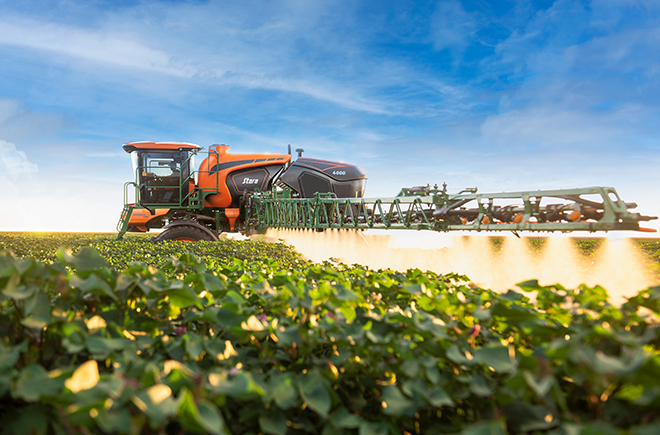
Operational Insights from Queensland and NSW Cotton Regions
The cotton industry in Australia primarily thrives on irrigated lands in Queensland and northern NSW, where high-clearance sprayers maneuver through tall crops for multiple in-season applications. Late defoliation efforts necessitate shafts that can manage residue without clogging the guards. Growers located near Dalby prioritize chemical-resistant seals to withstand repeated exposure. Operations in Narrabri prefer wide-angle joints to enhance boom stability. The hotter climate in Emerald challenges heat dissipation. These strategies optimize fiber quality and improve harvest efficiency.
Essential Components and Maintenance Recommendations
Cross kits, clutches, and guards face the rigors of chemicals and debris. Regular inspection protocols are vital to avert failures during fieldwork.
Compatibility with Leading Equipment Configurations
Our shafts are designed to meet specifications akin to those from established manufacturers such as Comer (for technical reference; Australian Driveshaft Pty Ltd operates independently).
Gearboxes that Enhance Sprayer Functionality
Australian Driveshaft Pty Ltd offers gearboxes that seamlessly integrate with our drive shafts for pump drives and agitation in high-clearance sprayers. Centrifugal pump gearboxes manage substantial flows, with bevel designs for directional changes. Parallel configurations allow for speed synchronization while compact planetary options are available. A variety of choices support chemical compatibility and flow rates.
Common Queries Regarding High-Clearance Sprayer Drive Shafts
What is the proper way to measure for a towed high-clearance unit?
When measuring, take into account the elevated hitch height, measure at the maximum lift position, and ensure there is sufficient overlap to prevent separation on uneven ground while keeping pump alignment intact. (62 words)
Which series is optimal for a 200 HP tractor?
Opting for Series 8 or higher provides a torque reserve necessary for large pumps and booms in tall crops, ensuring no strain throughout extended usage. (58 words)
What causes vibration due to tall crop residue?
This issue is usually attributed to residue accumulation or worn joints; it’s advisable to clean parts frequently, replace crosses promptly, and consider a heavier balance grade for smoother operation. (60 words)
Is there a grease suitable for chemical exposure?
A synthetic high-temperature grease with chemical resistance is recommended; apply it regularly to flush out residues and safeguard seals in harsh environments. (55 words)
How can a clutch protect the pump?
It is essential to avoid damage from blockages in nozzles or lines, and ratchet types allow for quick resets in the field. (54 words)
What is the maximum angle in row crops?
A 45-degree angle can be achieved with CV joints to accommodate boom flex without interrupting power transmission. (51 words)
How to ensure safety guarding in crop canopies?
Extended covers with supports are crucial to protect against vines or stalks, in compliance with ASABE requirements. (52 words)
What is the best method for cleaning chemical residues?
Thorough rinsing after usage is important, focusing on yokes and guards to prevent long-term corrosion. (53 words)
What is the best way to store equipment in humid regions?
Disconnect machinery, apply generous grease, and store it undercover to prevent moisture from compromising seals. (50 words)
How can wear from defoliants be minimized?
Unprotected components show accelerated wear; phosphate treatments and sealed joints considerably extend service life. (51 words)
Recent Innovations in Crop Protection Machinery in Australia
Looking ahead to 2026, sales of self-propelled sprayers are anticipated to increase due to enhanced precision features, while the use of drones will expand for targeted treatments that complement high-clearance units in cotton-growing areas.