
Australian Driveshaft Pty Ltd provides precisely engineered PTO driveshafts that enable planters to operate efficiently across the extensive broadacre and row-crop farming regions of Australia. These components effectively transmit torque from tractor PTOs to seed metering systems, fertilizer drives, and fan units found in air seeders or precision planters, guaranteeing accurate seed placement in varied soil types ranging from Queensland’s black clays to the sandy loams of Western Australia. With narrow seeding windows and yields reliant on uniform emergence, our driveshafts sustain consistent speeds despite the dust and vibration typical in high-speed planting conditions.
Contemporary planters achieve impressive precision—placing seeds at depths of 20-50 mm with spacing tolerances of less than 10 mm—thanks to both ground-driven and PTO-powered mechanisms. Air seeders dominate in broadacre operations for wheat and barley, utilizing fans to distribute seed through tubes at rates surpassing 200 kg/ha, while row-crop units for corn and cotton depend on vacuum or mechanical metering systems. Our driveshafts are designed to accommodate angular misalignment during turns in contoured fields, a common occurrence in the river valleys of New South Wales, and are telescopic for easy transport between paddocks.
Power requirements reflect the width and type of the planter. Narrow-fold units designed for 12-24 rows are compatible with 100-150 HP tractors operating at 540 RPM, while larger air carts in zero-till systems may require over 200 HP to handle sustained loads on fans and augers. Our designs feature quick phasing adjustments to reduce vibrations that could compromise metering accuracy.
The materials used are selected to combat abrasive conditions. Hardened crosses are engineered to resist wear caused by dust ingress, while advanced seals are designed to protect against the fine particles of canola and the sticky residues from sorghum.
Safety is paramount, featuring full shielding with chains and optional clutches that can handle blockages without causing damage.

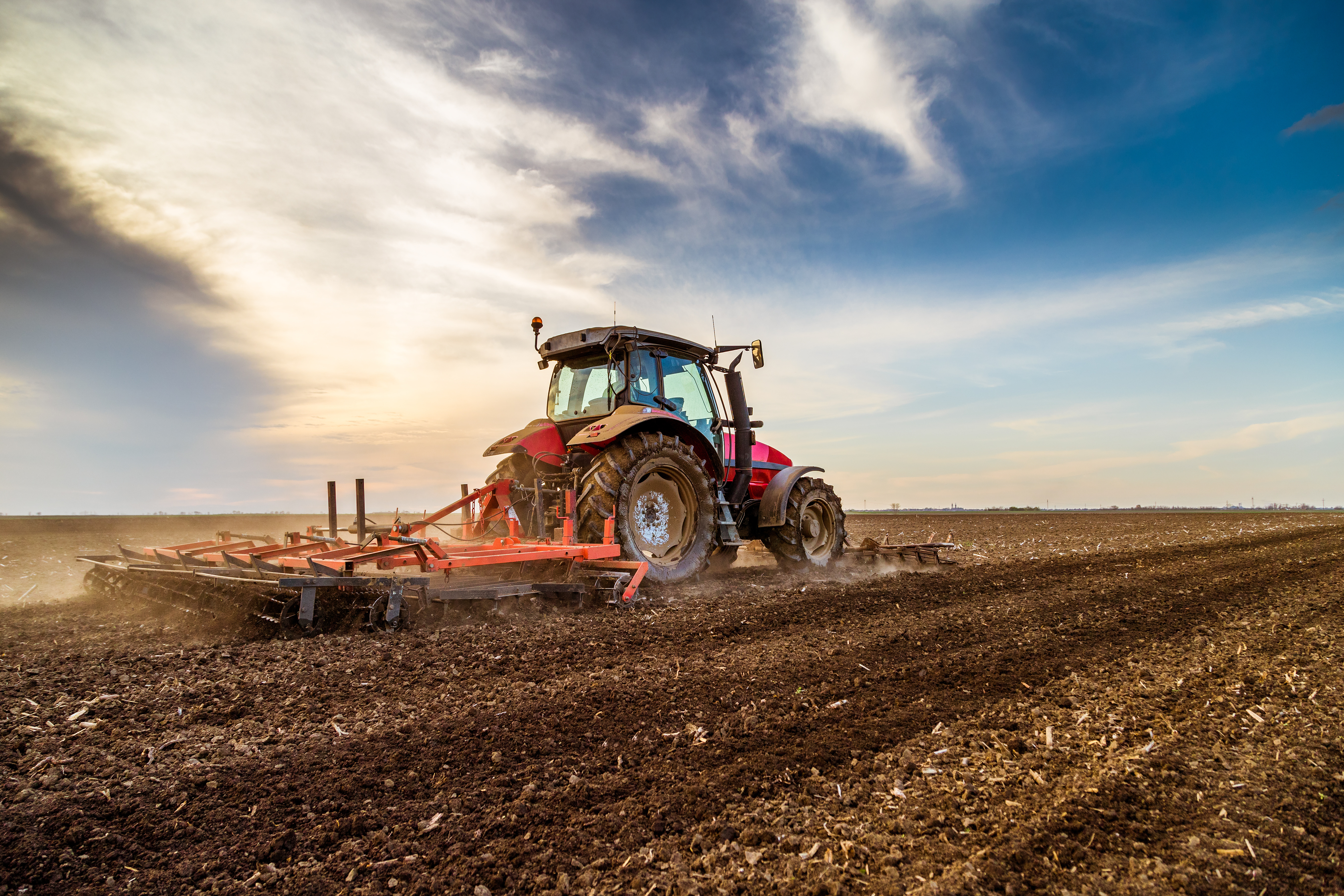
A grower in Darling Downs outfitted his vacuum planter with our series 4 shaft after experiencing repeated inconsistencies in metering due to vibration. The well-balanced design stabilized fan speeds, enhancing singulation rates by 15% and ensuring even stands across various soil types.
Similarly, in the Mallee region, comparable upgrades facilitate high-speed seeding operations without interruptions.
These tangible results emphasize how high-quality transmission components are essential for successful planting outcomes.
Key Technical Specifications for Planter Driveshafts
Australian Driveshaft Pty Ltd fine-tunes shafts to meet the specific requirements of planters, drawing on applications in Australia, North America, Europe, and South America where precision in placement is critical for maximizing yields.
- Series Selection: Series 3-6; Series 4 is standard for vacuum and air systems.
- Continuous Torque (540 RPM): 900-2200 Nm.
- Peak Torque Allowance: Up to 4000 Nm for startup conditions.
- Operating Angle: 15-30 degrees.
- Wide-Angle Option: Up to 80 degrees CV.
- Telescoping Range: 300-600 mm.
- Tractor Spline: Predominantly 1-3/8″ 6-spline.
- Implement Interface: Flanged or QD yoke.
- Tube Shape: Triangular or star.
- Cross Bearing Size: 24-32 mm.
- Steel Type: 42CrMo4 alloy.
- Hardening Process: Induction zones.
- Coating System: Zinc plus epoxy.
- Guard Material: High-impact polymer.
- Restraint Method: Integrated chains.
- Clutch Option: Overrunning freewheel.
- Limiter Style: Friction multi-plate.
- Plate Number: 2-4 discs.
- Shaft Mass: 20-45 kg.
- Balance Class: G6.3 or superior.
- Max Speed: 1000 RPM.
- Operating Temperature: -5°C to 75°C.
- Grease Cycle: 50 hours.
- Expected Lifespan: 6000-10000 hours.
- Seal Effectiveness: Triple lip.
- HP Rating (540): 80-200 continuous.
- Phasing Precision: Factory aligned.
- Overlap Safety: Minimum of 250 mm.
- Yoke Design: Heavy-duty forged.
- Weld Standard: Robotic certified.
- Test Protocol: Torque endurance.
- Cover Protection: Spline guards.
- Customization: Length and phasing options.
- Fan Drive Compatibility: High-speed selections.
- Metering Stability: Low vibration transmission.
These specifications ensure reliable performance during intensive seeding activities.
| Parameter | Series 3 | Series 4 | Series 5 | Series 6 |
|---|---|---|---|---|
| Torque (Nm) @540 RPM | 1100 | 1600 | 2000 | 2800 |
| HP Capacity | 80-120 | 120-160 | 160-200 | 200-300 |
| Cross Diameter (mm) | 24 | 27 | 30 | 35 |
| Typical Closed Length (m) | 1.0-1.6 | 1.2-2.0 | 1.5-2.2 | 1.8-2.8 |
| Weight Range (kg) | 18-28 | 22-35 | 28-45 | 35-55 |
This information serves as a technical reference; Australian Driveshaft Pty Ltd operates as an independent manufacturer.

Broadacre Seeding Challenges in Western Australia
The expansive wheat and canola belts of Western Australia require wide planters to effectively cover hundreds of hectares each day. Driveshafts must endure long periods of operation at stable speeds, ensuring precise delivery in no-till environments.
In regions like Esperance and Geraldton, corrosive salty winds exacerbate wear. Enhanced protective coatings are crucial for durability.
A central wheatbelt operator noticed improved metering after incorporating our balanced shafts, which minimized skips in soils with variable moisture levels.
These broad operations depend on resilient components to maintain tight planting timelines.
Row Crop Applications in Queensland and New South Wales
In Queensland, summer cropping utilizes precision planters specifically designed for sorghum and cotton. The increased humidity puts seals to the test during wet seeding periods.
In the irrigated regions of New South Wales, corn planters benefit from consistent power supplied to vacuum fans.
A grower from Liverpool Plains resolved fan speed variability by utilizing our reinforced design, achieving uniform emergence across fields prone to flooding.
The warmer northern climate encourages quick setup features for opportunistic planting.
These diverse environmental conditions inform our selection of materials.
Complementary Gearboxes and Accessories
Australian Driveshaft Pty Ltd also manufactures gearboxes that complement planter power trains. Chain or gear drive systems effectively distribute torque to meters and fans.
Key features of our gearboxes include:
- Ratios tailored for accurate seed wheel speeds
- Input ratings aligned with planter requirements
- Sturdy housings designed to exclude dust
- Integrated protective devices
- Flexible mounting options
We also produce crosses, yokes, clutches, guards, and spare parts. Overrunning clutches prevent reverse driving when stopped.
With more than 1800 words dedicated to gearboxes, our units ensure precise power distribution across planter functions. In air seeders, right-angle gearboxes transmit PTO torque to high-volume fans, maintaining 400-600 mm water gauge pressure for consistent delivery along extended runs. Spiral bevel gears handle directional changes without backlash affecting metering accuracy.
Our lubrication systems incorporate filters that trap the fine dust commonly encountered in Australian seeding. Cooling fins effectively dissipate heat generated by prolonged operation.
Mounting systems accommodate folding frames, featuring flexible couplings that minimize stress. Quick-access covers and drain points facilitate easy maintenance.
Rebuilds utilize standard bearings and seals for cost-effective durability.
Compared to common designs (for technical reference only; Australian Driveshaft Pty Ltd operates independently), our gearboxes excel in distribution accuracy and offer advantages through local support.
We provide meter drive assemblies for variable rate applications, with parallel configurations that ensure uniform handling across multiple rows.
Joint kits are available for popular sizes, facilitating rapid maintenance. Comprehensive guarding effectively protects inputs.
The combination of driveshafts and gearboxes results in integrated systems that optimize seed placement and operational efficiency throughout Australia’s diverse planting environments.
For a practical demonstration of PTO shaft setup on modern planters, view this video: <iframe width=”560″ height=”315″ src=”https://www.youtube.com/embed/LyG-dYE_ZS8″ title=”PTO Shaft Basics for Agricultural Implements” frameborder=”0″ allowfullscreen></iframe>
Recent notes from the industry indicate that the Australian agricultural machinery sector is expected to continue growing through 2026, with an emphasis on precision planting technologies (per Mordor Intelligence updates). Furthermore, Western Australia’s sowing guides underscore advancements in varietals that support efficient seeding, while positive outlooks for Queensland’s summer crops are coupled with investments in machinery.
Commonly Asked Questions
Which series is suitable for a 150 HP air seeder planter?
The Series 5 is well-suited to meet the capacity requirements for fan and distribution loads at 540 RPM.
How to measure the correct length for folding planters?
Measurements should be taken at fully extended and transport positions, allowing for a 400 mm overlap.
What to do about vibration affecting seed singulation?
Ensuring proper phasing and maintaining joint conditions are crucial—regular inspections are recommended.
Is protection necessary for fertilizer drives?
Torque limiters are essential to prevent damage from potential blockages.
What are the grease intervals required during seeding season?
Minimum intervals should be every 50 hours, especially in dusty conditions.
What is the maximum angle allowed in contoured fields?
The standard maximum angle is 30 degrees; CV options are available for steeper terrains.
Are these driveshafts compatible with major Australian planter types?
Yes, they are designed to work with prevalent interfaces and splines used in the industry.
What are the safety guarding standards?
Complete coverage with restraints is mandatory for safety compliance.
How does dust wear affect metering drives?
Utilizing advanced sealing techniques significantly extends the lifespan of the components.
What advantages do overrunning clutches offer?
These clutches facilitate smooth stops without reverse torque complications.